Introduction to Mongolian Beef
If you’ve ever walked into a bustling Asian restaurant, chances are you’ve spotted Mongolian beef on the menu. This dish isn’t just any meal; it’s a savory delight that combines tender beef with a rich, sweet sauce that’ll tickle your taste buds. But what makes Mongolian beef a favorite dish for so many?
What makes Mongolian beef a favorite dish?
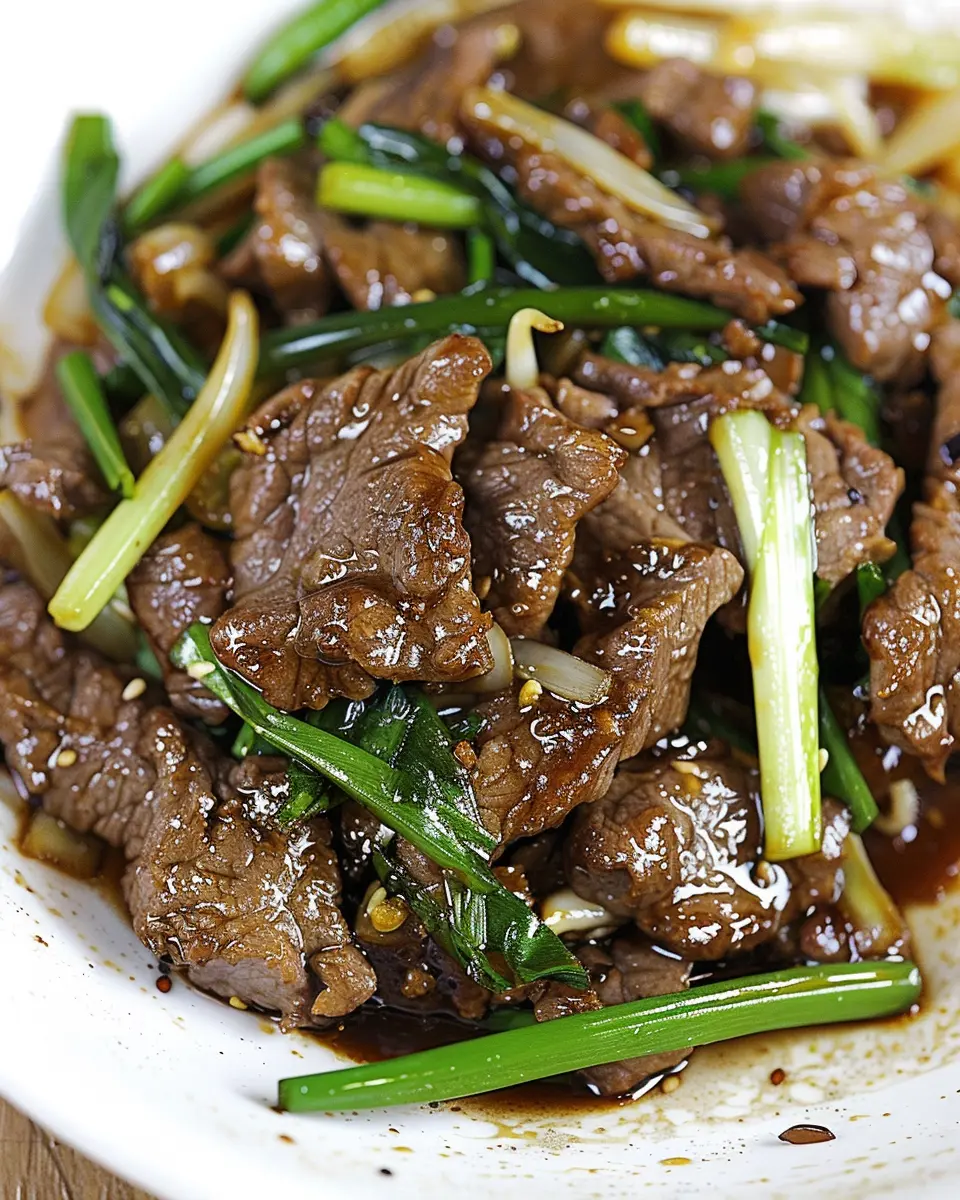
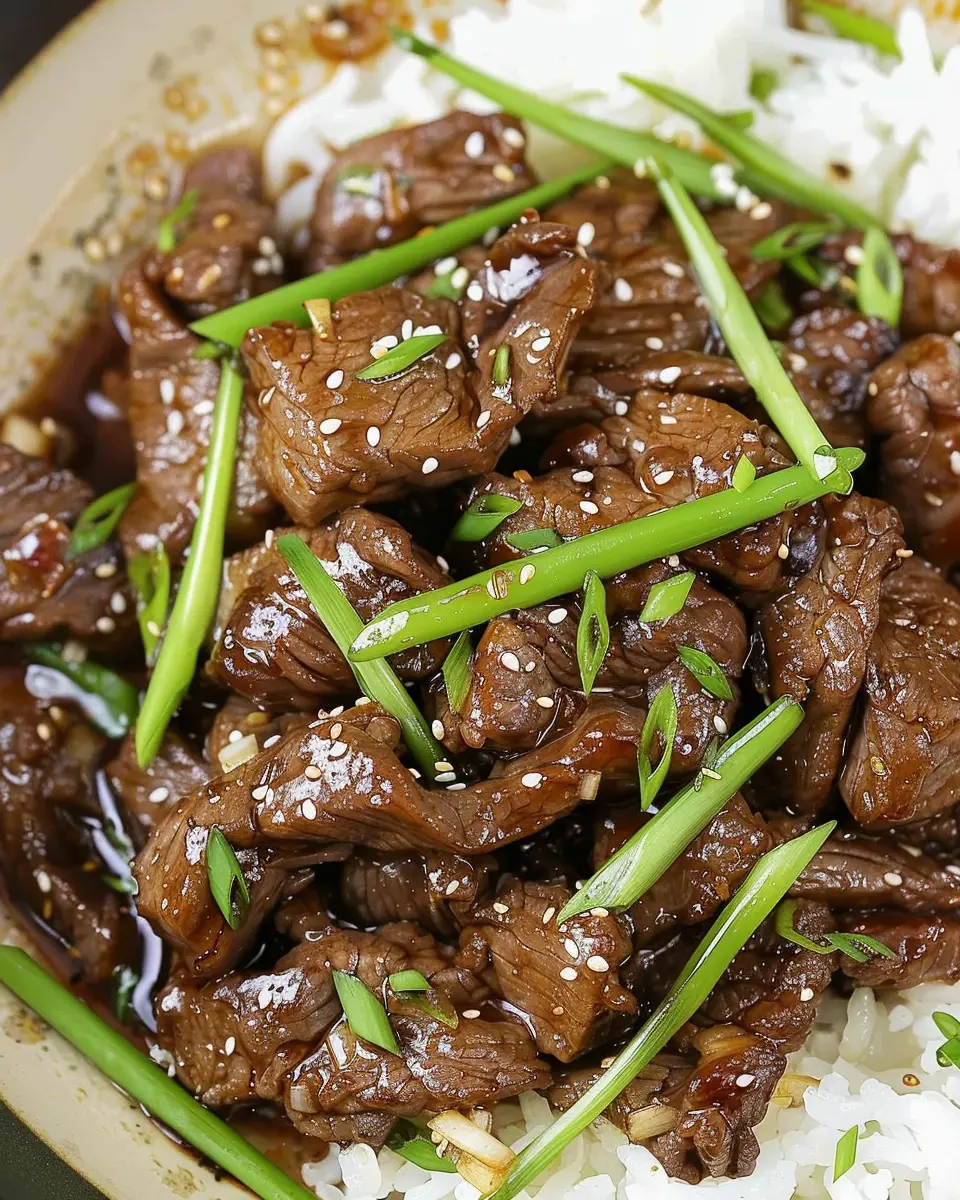
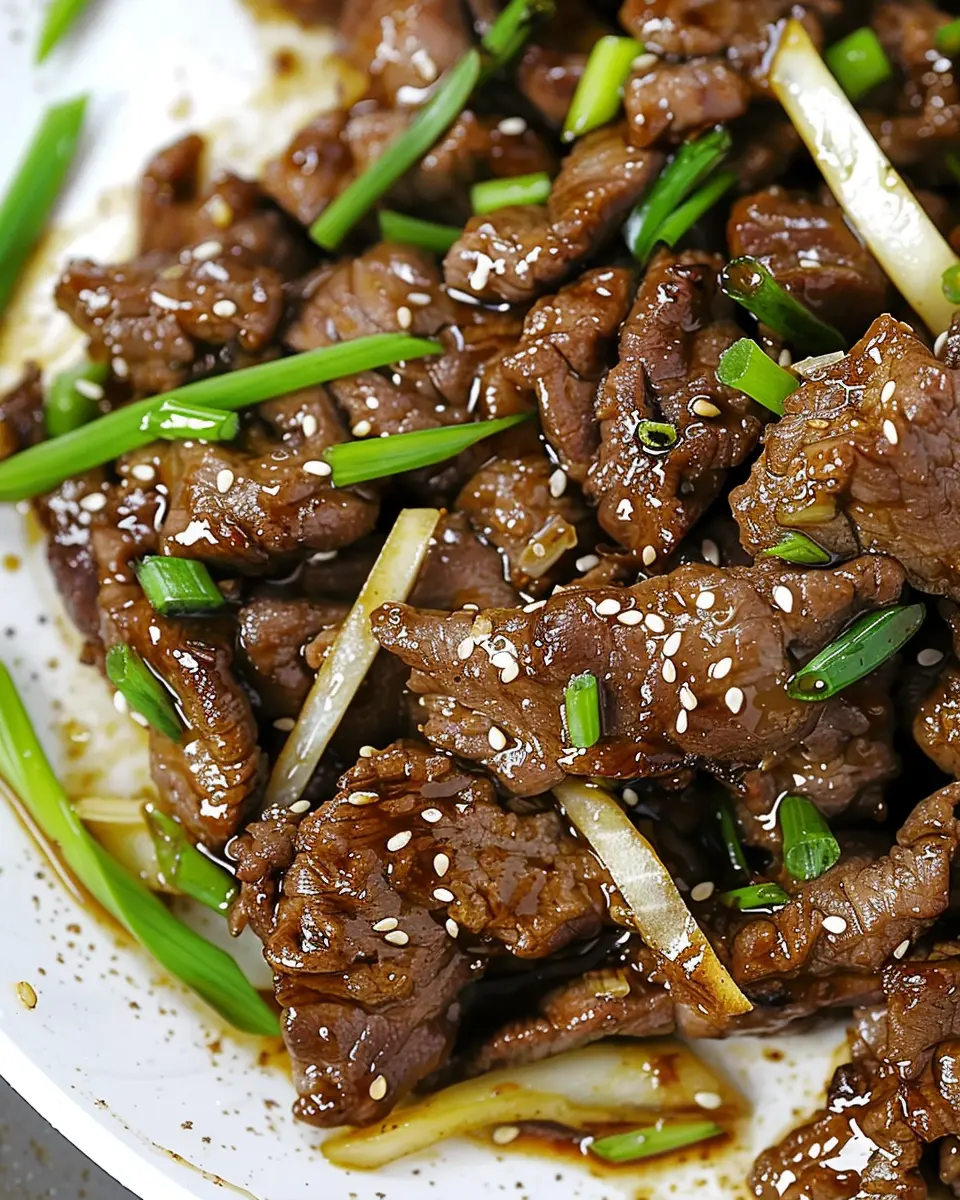
Mongolian beef has the unique ability to enchant diners with its perfect balance of flavors. The dish primarily features strips of juicy beef, often flank steak, sautéed quickly and tossed in a glossy soy sauce-based mixture. This blend not only enhances the flavor but also gives the dish its signature sheen that’s truly mouthwatering.
- Flavor Profile: The combination of soy sauce and sugar creates a delightful umami taste complemented by the aromatic scent of garlic and ginger. These ingredients work together to create a dish that’s savory yet slightly sweet, making it a crowd-pleaser.
- Texture Matters: Frying the beef until it’s crisp on the outside while remaining tender inside offers a satisfying textural contrast that elevates each bite.
- Simplicity & Convenience: One of the best parts about Mongolian beef is how straightforward it is to make. In about 30 minutes, you can whip up a glorious meal that’s perfect for busy weeknights or quick dinner parties.
Beyond its deliciousness, Mongolian beef also aligns with a growing trend towards home cooking, where young professionals have been keen on experimenting with easy yet impressive recipes. With the right ingredients and a solid recipe, you can bring restaurant-quality flavors straight to your kitchen.
For those looking to broaden their culinary horizons, consider pairing Mongolian beef with steamed rice or crispy vegetables. These sides not only complement the dish beautifully but also add a healthy touch to your meal.
Ready to dive into the cooking journey? You’ll find that whipping up this dish is not only fun but will quickly make it a nostalgic favorite, reminding you of cozy restaurant nights or adventurous food trips with friends. So grab your ingredients, and let’s get started on this flavorful adventure!
For a deep dive into other Asian-inspired dishes, consider checking out resources like Fine Cooking or Serious Eats.
Ingredients for Mongolian Beef
When preparing a delicious plate of Mongolian Beef, gathering the right ingredients is key to achieving that authentic flavor. Here’s what you’ll need:
Essential ingredients for the marinade
For a succulent marinade that elevates your beef, you’ll need:
- Beef: Choose flank steak or sirloin for the best results.
- Soy Sauce: This adds a savory umami flavor.
- Cornstarch: Helps to tenderize the beef and creates a nice coating.
Ingredients for the sauce
The sauce is where the magic happens. For a rich, flavorful experience, include:
- Brown Sugar: Adds sweetness to balance the soy sauce.
- Garlic: Fresh minced garlic gives a delightful aroma.
- Ginger: A hint of minced ginger adds warmth and depth.
- Beef Broth: Provides a savory base for the sauce.
- Green Onions: A must-have for garnish and flavor.
Additional ingredients for the dish
You’ll also need these final touches to complete your Mongolian Beef:
- Vegetable Oil: For frying; opt for a high smoke point oil like canola.
- Fresh Vegetables: Consider bell peppers or broccoli for added color and nutrition.
With these ingredients, you’re well on your way to creating an unforgettable dish. For more tips on sourcing high-quality beef and fresh vegetables, check out sources like BeefItsWhatsForDinner.com and ChooseMyPlate.gov. Happy cooking!
Preparing Mongolian Beef
Creating a satisfying dish like Mongolian Beef at home can be a rewarding culinary adventure. Not only does it fill your kitchen with aromatic flavors, but it also allows you to customize the dish to your taste. Let’s go through the steps to prepare this savory delight, ensuring every bite is delicious.
Marinate the Beef
To achieve the best flavor in your Mongolian Beef, start by marinating the beef to let it soak up those essential flavors.
- Choose your beef: Opt for flank steak or sirloin cut, as they provide a nice balance between flavor and tenderness.
- Slice thinly: Cut the beef against the grain into thin strips. This technique helps tenderize the meat.
- Marinade mix: Combine soy sauce (consider using low-sodium if you’re watching your salt intake), a touch of sugar, and a bit of cornstarch in a bowl. This mixture not only flavors the beef but also helps give it a perfect sear.
- Let it sit: Allow the beef to marinate for at least 30 minutes. For deeper flavor, consider letting it rest in the marinade for a few hours in the fridge.
You can read more about effective marinating techniques in articles from Serious Eats and Culinary Institute of America.
Prepare the Fried Vermicelli (optional)
Adding fried vermicelli can provide an extra layer of texture to your Mongolian Beef. If you choose to incorporate this, follow these simple steps:
- Cook the vermicelli: Boil water and cook the vermicelli noodles according to the package instructions, usually just a few minutes. Drain them and let them cool.
- Fry it up: In a pan, heat some vegetable oil and add the noodles. Fry them until they’re crispy and golden. Remove and set aside on paper towels to absorb excess oil.
The crunch of fried vermicelli complements the tender beef beautifully, but if you’re in a hurry, you can skip this step.
Cook the Marinated Beef
With your beef perfectly marinated, it’s time to bring out the flavors:
- Heat the pan: Use a wok or a large skillet over high heat for the perfect sear.
- Add oil: Once the pan is hot, add a couple of tablespoons of vegetable oil.
- Sear the beef: Shake off excess marinade and carefully add the beef to the pan. Avoid overcrowding, as it can cause the meat to steam instead of sear. You want a beautiful brown finish—about 3-4 minutes should do the trick. Then, remove the beef from the pan and set aside.
Stir Fry the Vegetables
Now it’s time to bring in the veggies, which enhance the dish’s nutrition and flavor.
- Choose your favorites: Bell peppers, green onions, and broccoli work wonderfully.
- Quickly stir-fry: In the same pan, perhaps with just a smidge more oil, toss in your vegetables. Stir-fry for 2-3 minutes until they’re slightly softened but still vibrant and crunchy.
The colorful vegetables will not only make your Mongolian Beef appealing but also provide a healthy balance to the beefy richness.
Add the Sauce and Finish the Dish
Now for the final and most exciting step—bringing everything together!
- Prepare the sauce: In a small bowl, whisk together more soy sauce, a bit of brown sugar, and a hint of ginger or garlic for that classic flavor profile we love about Mongolian Beef.
- Combine it all: Return the beef to the pan with the veggies, then pour your sauce over the mixture. Toss everything together on high heat, cooking for another minute or two until coated and bubbly.
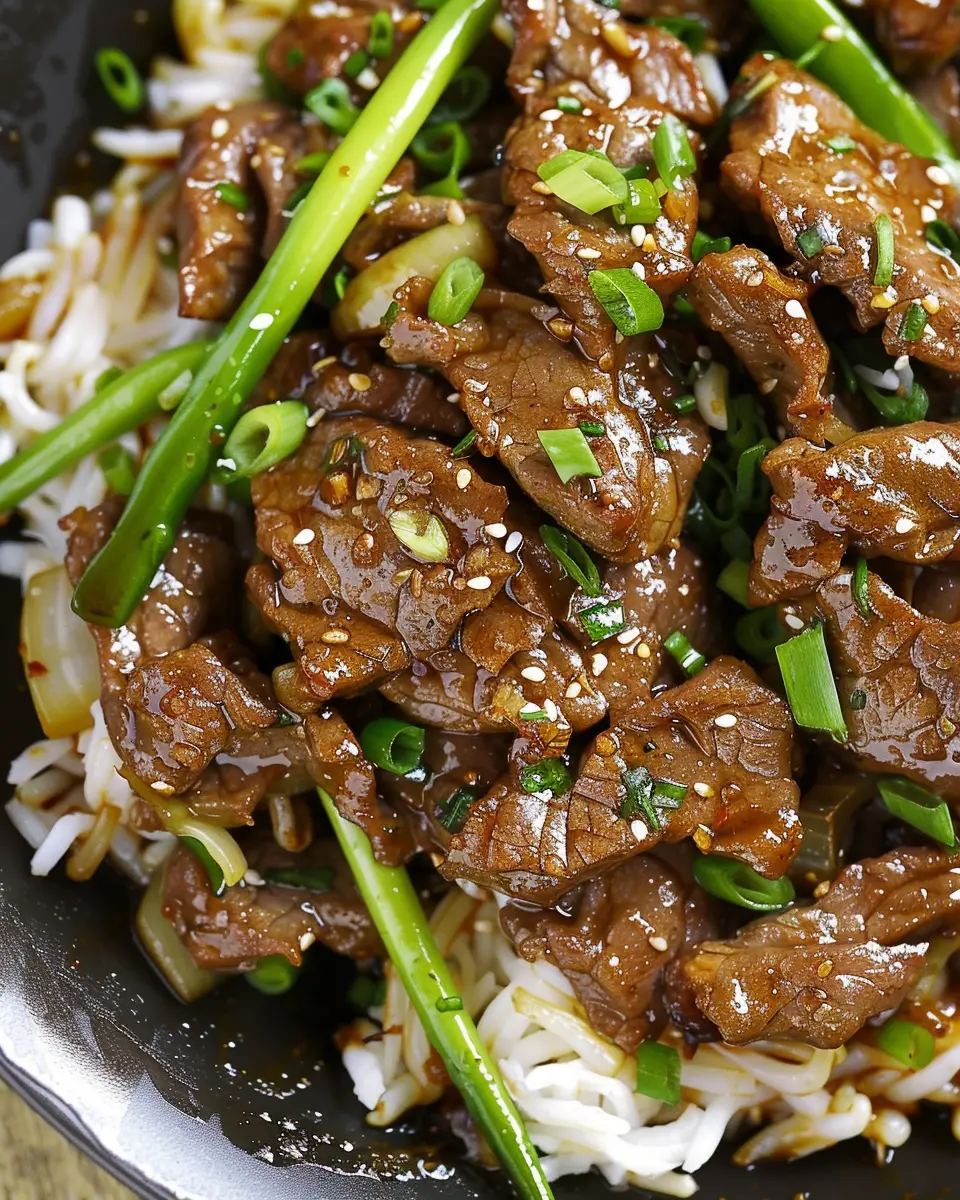
Serve your delicious Mongolian Beef over steamed rice or alongside your crispy vermicelli for a delightful meal.
By following these steps, you’re sure to impress yourself and anyone you share this meal with. Enjoy the process, and happy cooking!
Variations on Mongolian Beef
Making it spicier
If you crave a kick in your Mongolian beef, there are plenty of ways to spice things up! Start by incorporating fresh chilies or red pepper flakes into your stir-fry. For an even bolder flavor, consider adding a splash of chili oil during the cooking process—your taste buds will thank you! Another fun twist is to mix in some Szechuan peppercorns for a delightful tingling sensation. Feel free to adjust the spice level to match your palate! You can also pair your Mongolian beef with a spicy dipping sauce made from soy sauce, ginger, and additional chili. Not only is this simple, but it allows everyone to customize their dish to their liking.
Vegetarian or vegan alternatives
Don’t worry, plant-based eaters—enjoying the flavors of Mongolian beef isn’t just for meat lovers! You can create a fantastic vegetarian or vegan version using tofu, tempeh, or a mix of your favorite vegetables. Firm tofu holds up beautifully and absorbs all those luscious flavors, while tempeh adds a nutty richness. For a heartier option, try using jackfruit. It has a similar texture to pulled beef, making it a fantastic alternative. To keep the dish light and refreshing, toss in some bell peppers, broccoli, or snap peas towards the end of cooking.
If you’re interested in learning more about plant-based cooking, check out resources from sites like Oh She Glows or Minimalist Baker. Explore the joy of transforming classic recipes into vegetarian delights. Let your creativity shine—your taste buds will not be disappointed!
Cooking tips and notes for Mongolian Beef
Tips for the Best Marinade
To achieve the most flavorful Mongolian beef, start with an excellent marinade. Combine soy sauce, ginger, and a touch of brown sugar to create that signature sweet-and-salty balance. For extra depth, consider adding garlic and a splash of rice vinegar. Let the beef marinate for at least 30 minutes—this not only enhances flavor but also tenderizes the meat.
Cooking Techniques for Perfect Beef
For perfectly seared beef, heat your skillet until it’s smoking. This helps develop that beautiful, crispy exterior. Slice the beef thinly against the grain for optimum tenderness, and don’t overcrowd the pan; cook in batches if needed. A quick stir-fry over high heat ensures the beef remains juicy inside while getting a lovely char outside.
Storage and Reheating Notes
If you find yourself with leftovers, store your Mongolian beef in an airtight container in the fridge for up to three days. Reheat gently in a skillet to revive its texture, adding a splash of beef broth if the sauce thickens too much. For more storage tips, check out this food safety guide.
By keeping these tips in mind, you’ll create a rich, flavorful dish every time!
Serving suggestions for Mongolian Beef
Mongolian beef is a delightful dish that’s not only savory but also versatile. To really elevate your meal, consider these serving suggestions.
Recommended sides
When it comes to side dishes, you want to complement the rich flavors of your Mongolian beef. Here are some great options:
- Steamed jasmine or basmati rice: The subtle fragrance pairs beautifully with the savory notes of the beef.
- Stir-fried vegetables: Broccoli, bell peppers, and snap peas add a vibrant crunch and freshness to the meal.
- Egg rolls or spring rolls: These crispy treats contrast nicely with the tender beef, adding extra texture to your dinner experience.
Pairing drinks with Mongolian beef
Finding the right drink to accompany Mongolian beef can enhance your meal further. Instead of traditional alcohol-based beverages, consider:
- Chilled herbal iced tea: A refreshing blend can help balance the dish’s strong flavors.
- Sparkling water with lemon: This simple, zesty option cuts through the richness and cleanses your palate.
These complements not only enhance the flavors but also create a delightful dining experience. For more ideas on enhancing your meals, check out resources like Serious Eats for inspiration!
Time details for Mongolian Beef
Preparation time
Getting everything ready for your Mongolian Beef dish takes about 15 minutes. This is the time to chop your vegetables, slice the beef into strips, and measure out any sauces or spices. Pro tip: have your ingredients prepped and laid out; it makes cooking much smoother!
Cooking time
The actual cooking process is quick and efficient, taking roughly 10 to 15 minutes. With the beef cooking swiftly in the pan, you’ll capture that delicious stir-fried flavor without keeping your taste buds waiting too long.
Total time
In total, you’re looking at about 30 minutes from prep to plate. That makes this dish great for a weeknight dinner or a last-minute gathering. Whether you’re feeding a small group or just enjoying some personal time, Mongolian Beef is a winning choice for any occasion. If you’re interested in enhancing your culinary skills, check out this guide on quick stir-fry cooking!
Nutritional information for Mongolian Beef
Understanding the nutritional information of your favorite dishes like Mongolian Beef can help you make better choices in your meals. Let’s dig into the specifics!
Calories
A serving of Mongolian Beef typically contains about 286 calories. This can vary slightly based on the specific ingredients and portion sizes you use, so keep that in mind as you prepare this delicious dish at home.
Protein
One of the best aspects of Mongolian Beef is its protein content! A single serving can provide around 24 grams of protein – perfect for helping you feel satisfied and energized throughout the day.
Sodium
On the flip side, be cautious with sodium. Mongolian Beef can contain approximately 900 mg of sodium per serving. Depending on your dietary needs, you might want to adjust ingredients, such as soy sauce. Opting for reduced-sodium versions can be a smart move.
For a deeper dive into healthy eating, consider visiting Healthline for more tips on balanced meals and ingredient substitutions. This will make your culinary adventures both delicious and nutritious!
FAQs about Mongolian Beef
When diving into the delicious world of Mongolian Beef, you might have some burning questions. Here, we address a few common queries that can help you make this dish just right!
Can I use other types of beef for this recipe?
Absolutely! While flank steak is the traditional choice for Mongolian Beef, you can substitute other cuts based on your preference and availability. Skirt steak, sirloin, or even tenderloin can work beautifully. Just remember, the key is to slice the beef thinly against the grain for tenderness. Always choose cuts that are quick to cook, as they won’t require long cooking times.
How can I make Mongolian beef less sweet?
If you find that classic Mongolian Beef recipes can lean toward the sweeter side, there are a few ways to balance that sweetness out:
- Reduce the sugar: You can cut the brown sugar in the sauce or completely omit it if you’re watching your intake.
- Add vinegar: A splash of rice vinegar will introduce a tangy flavor that can offset the sweetness.
- Incorporate more savory ingredients: Adding extra garlic or ginger can help to introduce more depth and balance to your dish.
What can I substitute for the Shaoxing rice wine?
If you’re looking for a non-alcoholic alternative to Shaoxing rice wine, try using chicken stock or even a mix of water and a splash of apple cider vinegar. This will give a nice depth of flavor without the alcohol content.
Exploring Mongolian Beef can be a delightful culinary adventure! To dive deeper into techniques and tips, consider checking out resources from expert chefs or culinary blogs. Let’s make your next cooking experience a tasty success!
Conclusion on Mongolian Beef
Why You Should Try Making Mongolian Beef at Home
Making Mongolian beef at home is not just an entertaining culinary adventure, but it also allows you to control the flavors and ingredients. A fresh take on a classic dish, cooking this savory masterpiece can elevate a regular weeknight dinner into something special.
Not only do you get the satisfaction of preparing your meal from scratch, but you also get to enjoy the mouthwatering aroma of tender beef marinated in a sticky, sweet sauce. It’s quicker than ordering takeout and allows you to sneak in some vegetables for a well-rounded meal. Give it a try; I promise, you might just discover your new favorite dish!
For more inspiration, check out Serious Eats for expert tips on flavor pairing.
PrintMongolian Beef Made Easy: A Delicious Twist for Home Cooks
A quick and easy recipe for Mongolian Beef that brings a delightful twist to your home cooking experience.
- Prep Time: 15 minutes
- Cook Time: 10 minutes
- Total Time: 25 minutes
- Yield: 4 servings 1x
- Category: Main Course
- Method: stir-fry
- Cuisine: Asian
- Diet: gluten-free
Ingredients
- 1 pound flank steak
- 1/4 cup soy sauce
- 1 tablespoon cornstarch
- 2 tablespoons vegetable oil
- 3 cloves garlic, minced
- 1 tablespoon fresh ginger, minced
- 1/4 cup brown sugar
- 1/4 cup green onions, chopped
Instructions
- Thinly slice the flank steak and marinate in soy sauce and cornstarch for at least 15 minutes.
- Heat vegetable oil in a skillet over medium-high heat. Add the garlic and ginger, sauté for 30 seconds.
- Add the marinated flank steak to the skillet and cook until browned and cooked through.
- Stir in the brown sugar and cook until melted and combined.
- Garnish with green onions before serving.
Notes
- For extra spice, add red pepper flakes.
- This dish pairs well with steamed rice.
Nutrition
- Serving Size: 1 plate
- Calories: 350
- Sugar: 10g
- Sodium: 600mg
- Fat: 20g
- Saturated Fat: 4g
- Unsaturated Fat: 12g
- Trans Fat: 0g
- Carbohydrates: 18g
- Fiber: 1g
- Protein: 30g
- Cholesterol: 70mg
Keywords: Mongolian Beef, easy recipes, dinner ideas