Introduction to Beijing Beef
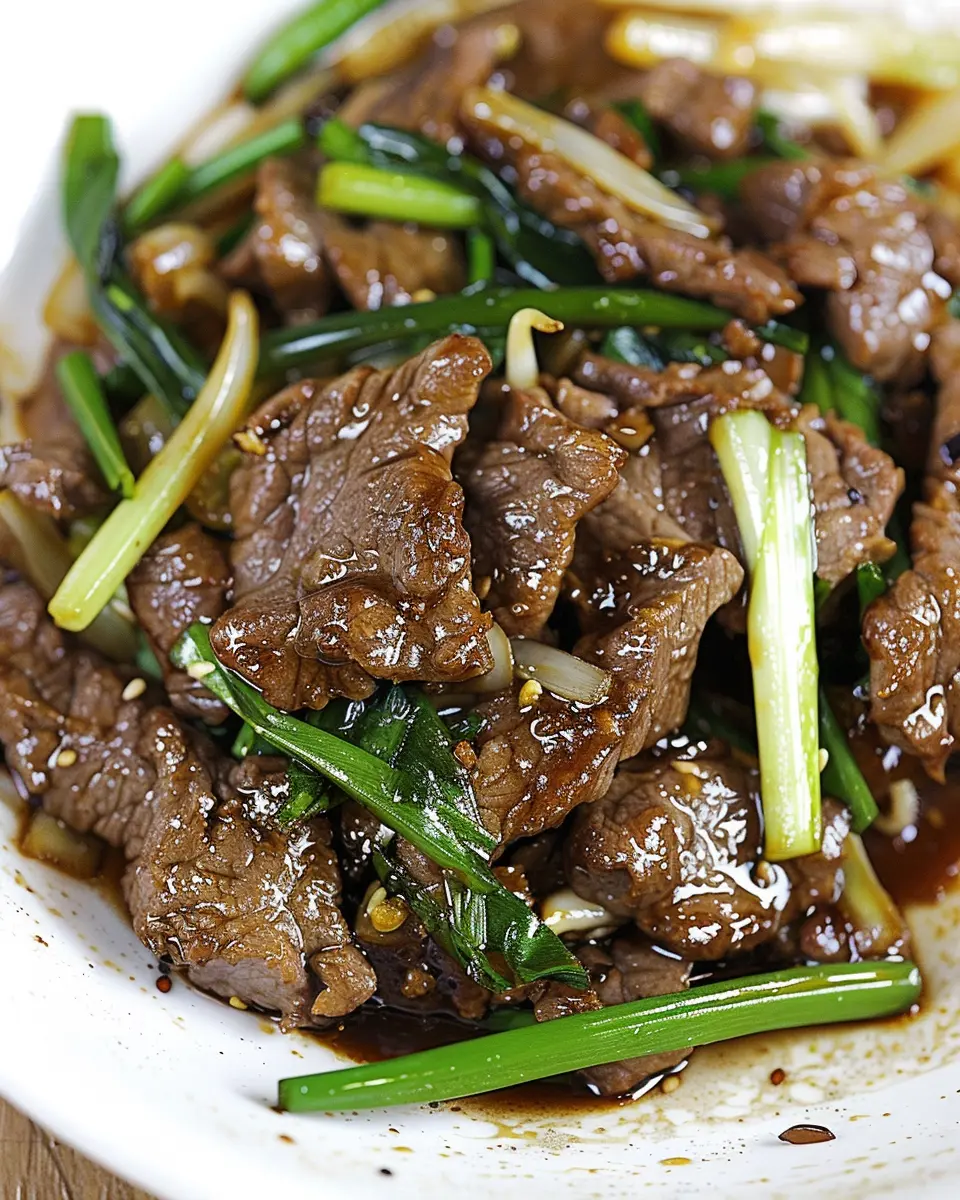
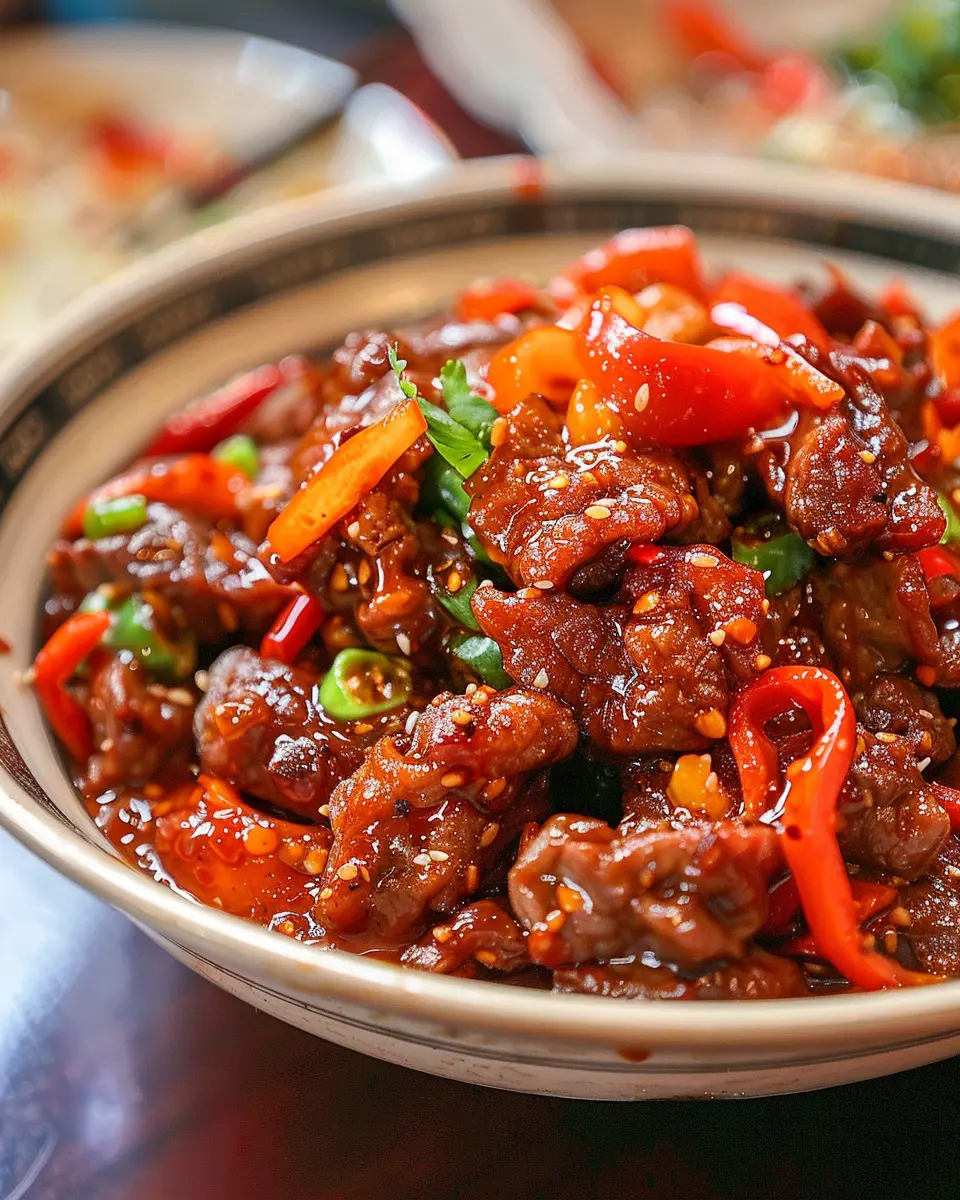
When it comes to Chinese cuisine, comfort food takes on a delicious new form with Beijing Beef. This savory dish, with its perfect balance of crispy beef strips, vibrant vegetables, and a sweet and tangy sauce, has captured the hearts and taste buds of many food lovers. But what makes Beijing Beef so beloved among fans of Asian fare?
Why is Beijing Beef so beloved?
First and foremost, the unique combination of textures and flavors of Beijing Beef sets it apart. The crispy batter on the beef contrasts beautifully with the tender, vibrant bell peppers and onions. This flavorful medley is then enveloped in a delectable sauce that features soy sauce, ginger, and garlic, offering just the right amount of sweetness and depth.
Did you know that according to a survey by the National Restaurant Association, 77% of people consider flavor to be the most important feature when choosing a meal? That’s what makes dishes like Beijing Beef irresistible!
Additionally, there’s an air of nostalgia surrounding this dish for many of us. Whether it’s a beloved family recipe or a popular takeout option, the taste of Beijing Beef can evoke memories of shared meals and lively gatherings. Cooking this dish at home provides an opportunity not only to satisfy cravings but also to recreate cherished moments with friends and family.
Moreover, making Beijing Beef at home allows you to tailor it to your preferences. Want it spicier? Just add more chili! Prefer it sweeter? Adjust the sugar! The flexibility in preparation means you can create something truly unique that fits your flavor profile.
If you’re eager to learn how to make this delightful dish, you’re in luck! With a few simple ingredients and some straightforward steps, you can whip up your own savory plate of Beijing Beef that rivals your favorite restaurant’s version.
So get ready to impress your friends or simply indulge yourself—the journey to mastering Beijing Beef is just around the corner! For more tips on similar Asian recipes, check out sites like Serious Eats and The Woks of Life for inspiration.
Ingredients for Beijing Beef
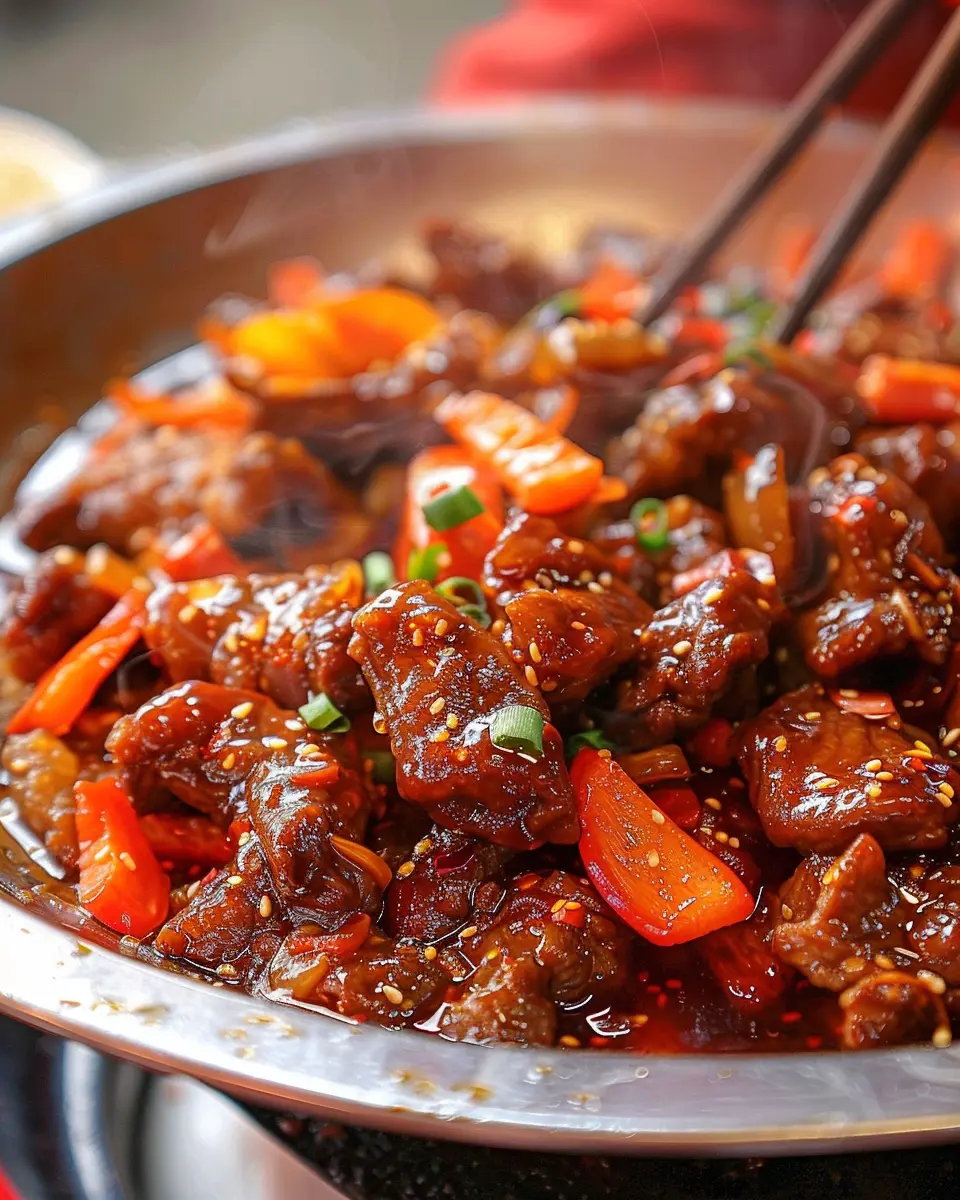
Creating a delicious homemade Beijing Beef requires a mix of essential and optional ingredients that can elevate your dish. Let’s break this down!
Essential ingredients for homemade Beijing Beef
To whip up a tasty plate of Beijing Beef, you’ll need:
- Beef strips: Tender cuts work best; ideally, flank steak or sirloin for the perfect chew.
- Bell peppers: Choose a colorful mix for both aesthetics and flavor; red and green peppers are fantastic.
- Onion: Sweet varieties add depth to your stir-fry.
- Soy sauce: This brings a savory umami kick that’s characteristic of Asian cuisine.
- Brown sugar: A touch of sweetness balances the dish beautifully.
- Garlic and ginger: Freshly minced for that aromatic zest.
- Cornstarch: This helps to create a delightful crispy coating on the beef.
Optional ingredients you can experiment with
Now, if you’re feeling adventurous with your Beijing Beef creation, consider adding:
- Chili flakes: For those who like a little heat!
- Green onions: They lend a fresh, crunchy contrast.
- Cashews or peanuts: Perfect for adding a nutty crunch and a protein boost.
- Vegetables: Carrots or snap peas can enhance the color and nutrition of your dish.
For more cooking inspiration, check out resources like Serious Eats or BBC Good Food for unique takes on classic recipes! Happy cooking!
Preparing Beijing Beef
Making Beijing Beef at home can be a fun and satisfying experience! With the right steps, you can create a dish that rivals your favorite Chinese restaurant’s version. Let’s break it down together so you can enjoy every delicious bite.
Marinate the Beef
To kick off your Beijing Beef preparation, start with a good quality cut of beef. Think flank or sirloin; they work wonders for stir-fries! Slice your beef against the grain into thin strips—this ensures tenderness.
For marination, mix together:
- 2 tablespoons soy sauce
- 1 tablespoon freshly grated ginger
- 1 tablespoon minced garlic
- A pinch of black pepper
Coat the beef strips in this marinade and let them sit for at least 30 minutes. If you’d like to plan ahead, marinate the beef overnight for an even deeper flavor. This step is essential, as it infuses the meat with the delicious umami flavor we all love in Beijing Beef.
Prepare the Sauce
While the beef is soaking up those flavors, you can whip up the sauce. In a small bowl, combine:
- 1/4 cup soy sauce
- 2 tablespoons brown sugar
- 1 tablespoon hoisin sauce
- 1 teaspoon sesame oil
- 1 tablespoon rice vinegar
Whisk these ingredients together until the sugar dissolves. The balance of sweet, tangy, and savory in this sauce is what will make your Beijing Beef pop. For a delightful kick, consider adding a dash of chili sauce or Sriracha.
Dredge the Beef in Cornstarch
After marinating, it’s time to make the beef crispy. Lightly coat the beef strips in cornstarch. This gives your beef that nice crunch when frying. Spread the cornstarch evenly over the beef in a shallow dish, ensuring every piece is well-coated. If you’ve ever wondered why stir-fried dishes always feel so satisfying, the secret often lies in this dredging technique!
Heat the Oil and Fry the Beef
Now, let’s bring the heat! In a large skillet or wok, heat a generous amount of vegetable oil (about 1/4 cup) over medium-high heat. Make sure it’s hot enough; the oil should shimmer. Once heated, carefully add the dredged beef in batches, avoiding crowding the pan.
Fry the beef for about 2-3 minutes until it turns golden brown. Once cooked, transfer it to a plate lined with paper towels to absorb any excess oil. Your kitchen will start to smell incredible already!
Stir-Fry the Vegetables
Next up, let’s stir-fry the vegetables. Traditional ingredients for Beijing Beef include:
- 1 bell pepper, sliced
- 1 onion, sliced
- 1 cup broccoli florets
Add a smidgen of oil to the skillet if necessary and toss in the veggies. Stir-fry them for about 4-5 minutes, or until they’re vibrant and tender-crisp. Don’t forget, consistent stirring is key to achieving that perfect sautéed texture!
Combine Everything and Thicken the Sauce
At this point, it’s time for everything to come together. Return the cooked beef to the skillet, then pour in the sauce you prepared earlier. Stir together gently but thoroughly, allowing the flavors to meld.
To thicken the sauce a bit—if you desire—mix 1 teaspoon of cornstarch with 2 teaspoons of cold water to create a slurry, and pour this into the skillet. The sauce should begin to bubble and thicken within a minute or so. Once everything is heated through and you’ve got the consistency you’re after, it’s time to serve.
Plate your Beijing Beef over a bed of fluffy rice or alongside noodles for a complete meal. Enjoy the delightful harmony of flavors and textures you’ve created!
And there you have it—a homemade Beijing Beef that’s sure to impress your friends and family! If you’re interested in more delicious Asian-inspired recipes, check out Serious Eats for incredible ideas!
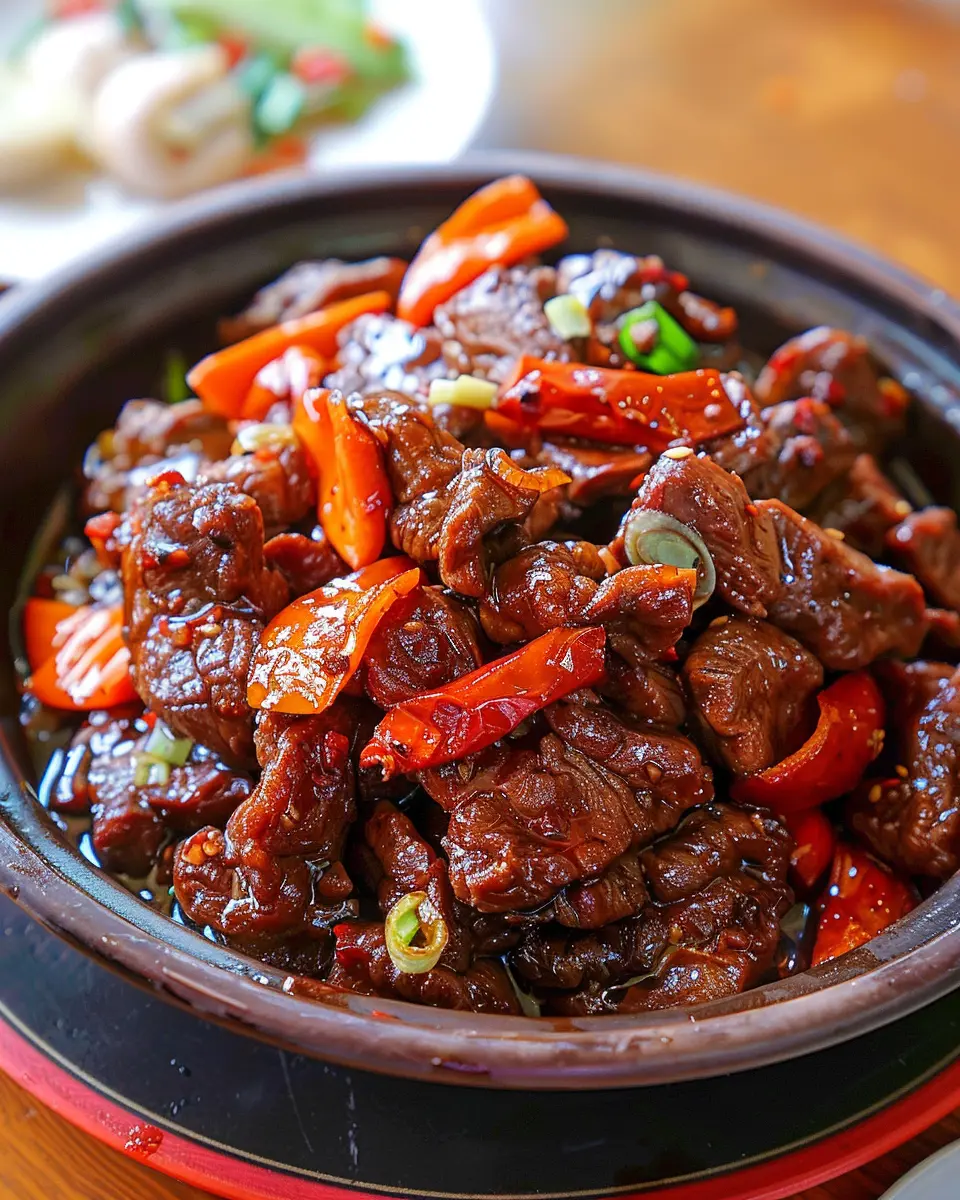
Variations on Beijing Beef
Vegetarian Beijing Beef
For those looking to skip the meat but still craving that delightful Beijing Beef flavor, vegetarian options abound! Try using seitan or tofu as your protein base. Both options soak up the flavors beautifully, delivering that satisfying texture we all love. Simply marinate your chosen substitute in soy sauce, garlic, and ginger before stir-frying with bell peppers and onions. You can enhance the dish further by tossing in some sesame oil for richness and adding a handful of cashews for crunch. Over at Peta.org you can find excellent meat-substitute recipes that celebrate plant-based eating.
Spicy Beijing Beef
If you’re the type who likes it hot, adding a kick to your Beijing Beef is a breeze. Incorporate chili paste or Szechuan peppercorns into your marinade for an intense flavor boost. Add sliced fresh chili peppers during the cooking process; the heat will oscillate beautifully with the sweetness of the sauce. For an additional layer of spice, consider a dash of cayenne or crushed red pepper flakes. According to the Scoville scale, you can customize the heat to your taste, making this variation a fiery delight for spice lovers.
Low-carb Beijing Beef
If you’re mindful of carbohydrates but don’t want to skimp on flavor, creating a low-carb Beijing Beef is totally achievable. Substitute traditional sugar with a low-calorie sweetener like stevia or erythritol, and swap out regular rice for cauliflower rice. This keeps the dish flavorful while trimming down those carb counts. Additionally, focusing on the protein and vegetables makes it satisfying without sacrificing taste. Health sites like Healthline often highlight the benefits of low-carb diets, making them a great resource for those navigating this lifestyle.
Incorporating these variations into your cooking can breathe new life into a classic dish while meeting dietary needs and preferences. Happy cooking!
Cooking Tips and Notes for Beijing Beef
Choosing the Right Cut of Beef
When crafting the perfect Beijing Beef, selecting the ideal cut of beef can truly elevate your dish. Flank steak or sirloin is generally recommended for an authentic taste and tenderness. These cuts marinate beautifully, absorbing all those rich flavors, and can easily be sliced thin for that desirable stir-fried consistency. If you’re unsure, check out this guide on choosing the best beef cuts to learn more about each option.
Importance of Ingredient Prep
Preparation is key in creating a memorable Beijing Beef dish. Be sure to slice your beef against the grain; this small detail can make a big difference in texture. Additionally, prepping your vegetables—like bell peppers, onions, and snap peas—before diving into cooking not only streamlines the process but also ensures even cooking. Remember to have all your ingredients handy to make cooking feel seamless!
Lastly, don’t shy away from trying a homemade sauce; it’s an exciting way to customize your flavor profile! For more insights on marinades, check out this comprehensive marinade guide. Enjoy your cooking adventure!
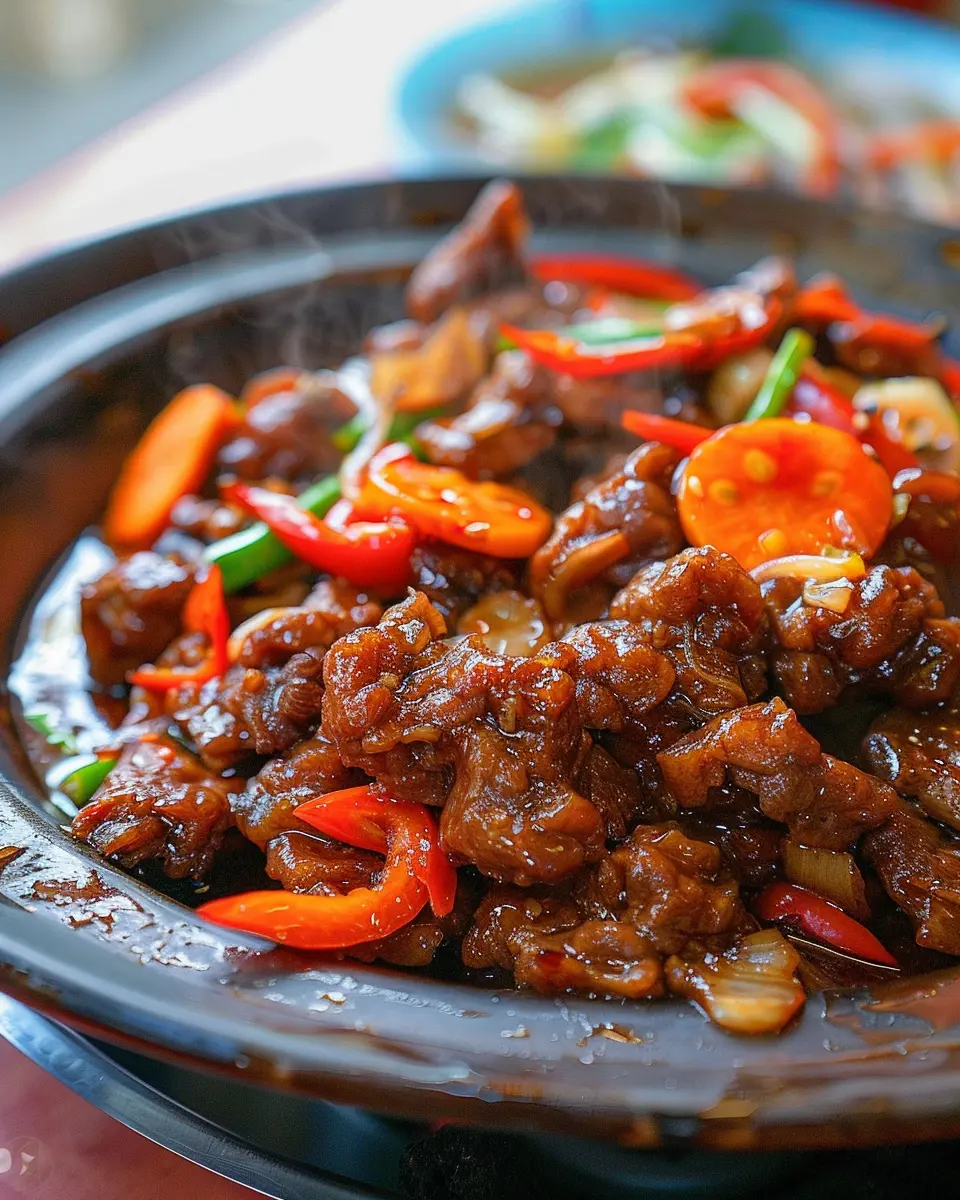
Serving suggestions for Beijing Beef
When it comes to serving Beijing Beef, choosing the right sides can elevate your meal and create a delightful experience. Here are some perfect pairings and creative serving ideas to consider!
Best sides to pair with Beijing Beef
To complement the bold flavors of Beijing Beef, think about adding:
- Steamed jasmine rice: The light, fluffy texture soaks up the savory sauce beautifully.
- Stir-fried vegetables: A colorful medley of bell peppers, broccoli, and snow peas not only adds nutrition but also a crunchy contrast.
- Egg fried rice: For a twist, try adding a little egg into your fried rice for richer flavors that work well with the dish.
- Spring rolls: These crispy appetizers add a delightful crunch, enhancing your dining experience.
Creative serving ideas
Want to impress your guests? Serve your Beijing Beef in individual bowls with a fresh garnish of green onions or sesame seeds. You can also create a build-your-own bowl station with toppings like sautéed mushrooms or crispy onions, inviting everyone to customize their meals.
For drinks, a refreshing iced tea or homemade lemonade pairs wonderfully, cutting through the richness and balancing the flavors. Enjoy your culinary journey with Beijing Beef and these delightful pairings!
For more serving ideas, check out Serious Eats and The Spruce Eats for inspiration.
Time breakdown for Beijing Beef
Preparation time
Getting ready to make Beijing Beef is a breeze! You’ll need about 15 minutes to prep your ingredients. This includes slicing your beef, chopping the veggies, and gathering spices. Setting everything out helps streamline the cooking process—plus, it feels great to have a tidy kitchen!
Cooking time
Once you’re all set, cooking your Beijing Beef will take around 20 minutes. This includes stir-frying the beef and veggies and letting those flavors meld perfectly. Trust me, you’ll love the aroma wafting through your kitchen!
Total time
In total, expect to spend about 35 minutes from start to finish. That’s pretty efficient for such a delicious dish! With a little planning, you can whip up this fantastic meal on a busy weeknight. For more tips on time management in the kitchen, check out resources like Food Network for quick recipe ideas.
Get ready to enjoy a flavorful plate of Beijing Beef!
Nutritional Facts for Beijing Beef
When whipping up a delicious batch of Beijing Beef, it’s not just the flavors that matter; understanding the nutritional profile can help you make informed choices.
Calories
In a single serving of Beijing Beef, you can expect to consume about 350-400 calories. This makes it a relatively hearty option, perfect for satisfying your hunger without going overboard.
Protein
Protein lovers will appreciate the 25-30 grams of protein per serving in Beijing Beef, thanks to the reliance on tender beef strips. This nutrient is essential for muscle repair and overall body function, making it a great post-workout meal.
Sodium
One thing to watch out for is sodium—typically, a serving can contain upwards of 800-1,000 milligrams. This is due to sauces and seasonings, so consider adjusting the recipe to suit your dietary needs if salt intake is a concern. For more tips on managing sodium in your meals, check out the American Heart Association’s guidelines.
By keeping these nutritional facts in mind, you can enjoy your homemade Beijing Beef while ensuring it fits within your dietary goals. Happy cooking!
FAQs about Beijing Beef
How can I make Beijing Beef spicier?
If you’re looking to amp up the heat in your Beijing Beef, there are several simple ways to do this. One of the easiest methods is to add sliced chilies or red pepper flakes to the stir-fry. You can also incorporate chili oil into your sauce for an extra kick. For those who really love heat, consider using fresh ginger or garlic; both have a depth of flavor that can elevate spiciness without overpowering your dish. Don’t forget to taste as you go; balancing flavors is key!
Can I use a different protein for Beijing Beef?
Absolutely! While traditional Beijing Beef uses beef, many other proteins work well. Chicken or turkey can be excellent substitutes for a leaner option. If you’re into seafood, shrimp can add a delightful twist. For a vegetarian or vegan version, look into using tofu or tempeh. Each alternative has its unique flavor and texture that complements the dish beautifully. Just keep an eye on cooking times, as they vary with different proteins.
What’s the best way to store leftovers?
Storing your delicious Beijing Beef leftovers correctly ensures they stay tasty. First, allow them to cool to room temperature before transferring them to airtight containers. You’ll want to refrigerate them within two hours to ensure safety. In the fridge, they can last up to 3-4 days. If you’re looking to keep them longer, consider freezing; your Beijing Beef can last up to 3 months in the freezer. When reheating, you might want to add a splash of low-sodium soy sauce or vegetable broth to keep it moist and flavorful. For plenty of tips on food storage safety, visit FoodSafety.gov.
Conclusion on Beijing Beef
Why You Should Try Making Beijing Beef at Home
Making Beijing Beef at home is not just about enjoying a delicious meal; it’s an opportunity to impress your friends and family with your culinary skills! The combination of crispy beef, vibrant bell peppers, and sweet-tangy sauce creates a flavor explosion that’s hard to resist. Plus, preparing this dish at home allows you to control the ingredients, making it healthier and customizable to suit your taste.
With simple ingredients and easy steps, you can have a restaurant-quality meal on your table. Don’t just take our word for it—check out inspiring recipes on BBC Good Food for more tips! So, grab your wok and get cooking; your taste buds will thank you!
PrintBeijing Beef: Easy, Flavorful Recipe to Ditch Fast Food Today
A delicious recipe for Beijing Beef that brings the flavors of your favorite takeout into your kitchen.
- Prep Time: 15 minutes
- Cook Time: 10 minutes
- Total Time: 25 minutes
- Yield: 4 servings 1x
- Category: Main Dish
- Method: Stir-Fry
- Cuisine: Chinese
- Diet: Gluten-Free
Ingredients
- 1 pound beef sirloin, sliced thin
- 1 cup bell peppers, sliced
- 1 onion, sliced
- 3 cloves garlic, minced
- ¼ cup soy sauce
- 2 tablespoons brown sugar
- 1 tablespoon vegetable oil
- 1 teaspoon ground ginger
Instructions
- Heat vegetable oil in a pan over medium-high heat.
- Add sliced beef and cook until browned.
- Incorporate garlic, bell peppers, and onion; stir-fry for 3-4 minutes.
- Mix soy sauce, brown sugar, and ground ginger in a bowl, then pour over the beef and vegetables.
- Stir until everything is well coated and sauce thickens.
- Serve hot over rice or noodles.
Notes
- For added heat, include red pepper flakes.
- Customize with your favorite vegetables.
Nutrition
- Serving Size: 1 serving
- Calories: 350
- Sugar: 8 grams
- Sodium: 800 milligrams
- Fat: 15 grams
- Saturated Fat: 4 grams
- Unsaturated Fat: 10 grams
- Trans Fat: 0 grams
- Carbohydrates: 20 grams
- Fiber: 2 grams
- Protein: 30 grams
- Cholesterol: 70 milligrams
Keywords: Beijing Beef, Asian cuisine, beef recipe, quick meal