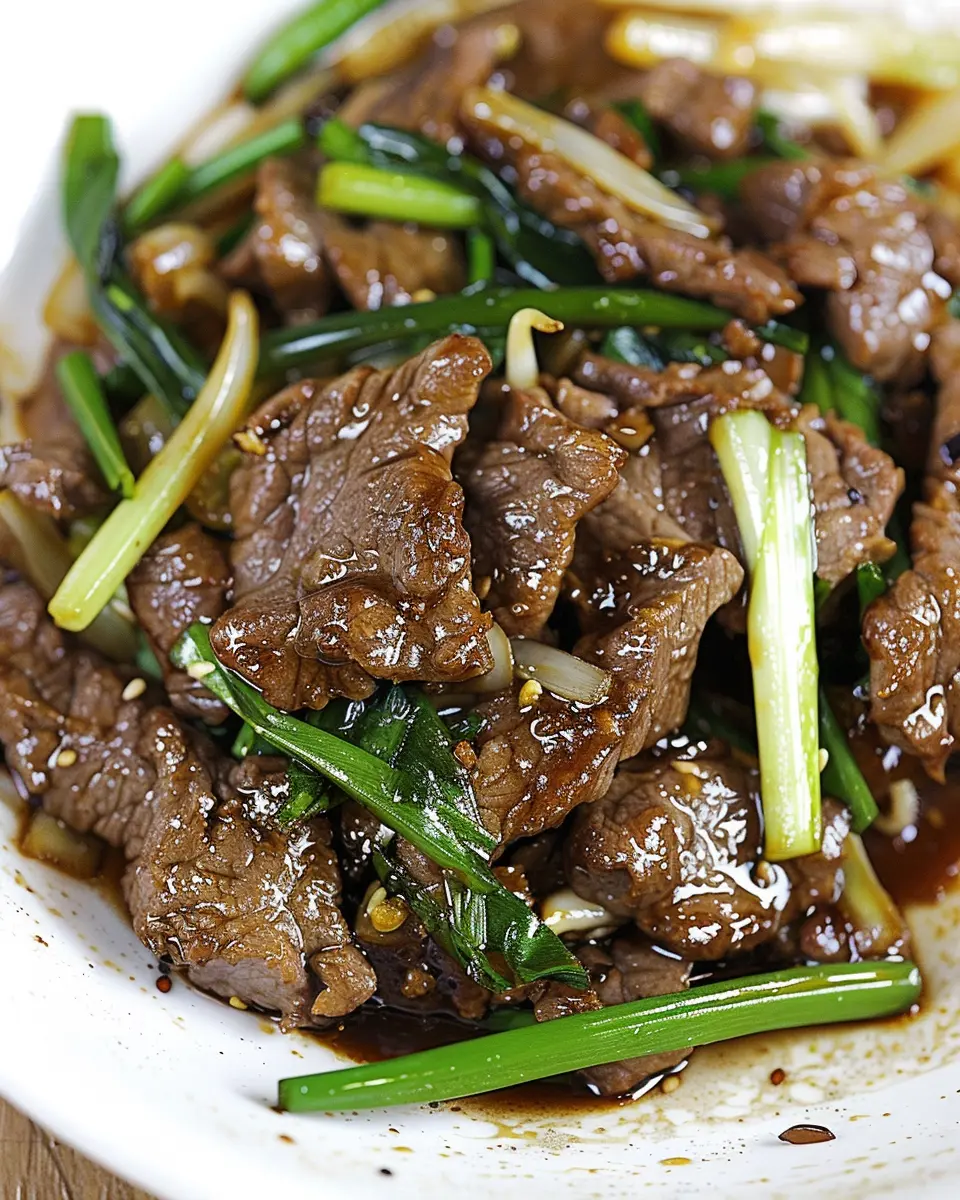

Outline for Homemade Beijing Beef Recipe
Beijing Beef, a delightful stir-fry recipe that blends tender pieces of beef with vibrant vegetables, has carved a special place in the hearts (and stomachs) of many food enthusiasts. If you’re looking to create this dish at home, you’ve come to the right place! Here’s a comprehensive outline to help you craft your very own delicious Beijing Beef, from preparation to plating.
Understanding the Fundamentals of Beijing Beef
Before diving into the cooking process, it’s essential to grasp the essence of Beijing Beef. Traditionally, this dish features thinly sliced beef, typically marinated to enhance its flavor, coupled with a medley of fresh vegetables like bell peppers and onions. The sweet-and-sour sauce adds that distinctive kick, making every bite an explosion of taste.
- Cultural Background: Understanding the origins of Beijing Beef can add depth to your cooking experience. This dish, influenced by Chinese cuisine, can be adapted to personal tastes, allowing for creativity.
- Nutritional Profile: Did you know that a serving of Beijing Beef can provide a robust source of protein and essential vitamins? Lean beef is high in iron and B-vitamins, while vegetables contribute valuable fiber and antioxidants.
Ingredients You’ll Need for Homemade Beijing Beef
Creating delicious Beijing Beef starts with high-quality ingredients. Here’s a breakdown of what you’ll need:
- Beef: Aim for flank or sirloin steak, sliced thinly against the grain for tenderness.
- Turkey Bacon: Adding an unexpected twist, turkey bacon brings a smoky depth to the dish.
- Chicken Ham: For those who enjoy a slightly sweet and savory flavor, chicken ham can be a delightful addition.
- Vegetables: Bell peppers (red and green), onions, and carrots for color and crunch.
- Sauce Ingredients: Soy sauce, hoisin sauce, garlic, ginger, and a sweetener of your choice, such as agave syrup or honey.
Pro Tip:
Always buy fresh, organic vegetables when possible — it makes a noticeable difference in taste and nutritional value.
Preparing the Ingredients
Before you start cooking, prepping your ingredients is crucial for a smooth cooking experience:
-
Marinate the Beef: Combine soy sauce, minced garlic, and ginger in a bowl. Let your beef marinate for at least 30 minutes. This step tenderizes the meat and infuses flavor.
-
Chop Vegetables: Slice bell peppers, onions, and carrots into similar-sized pieces to ensure even cooking.
-
Cook Turkey Bacon: Cook turkey bacon separately until crispy and set aside. This adds a savory element without the heaviness of conventional bacon.
The Cooking Process: Step-by-Step Guide
Now comes the fun part — cooking your Beijing Beef! Follow these steps for a delectable result:
-
Heat the Pan: Use a large wok or skillet. Heat a tablespoon of oil (such as sesame or olive oil) over medium-high heat.
-
Stir-Fry the Beef: Add the marinated beef in batches. Searing it rather than overcrowding the pan ensures a beautiful brown color and preserves flavor.
-
Add Vegetables: After the beef is cooked, toss in the chopped vegetables. Stir-fry everything for about 5-7 minutes until they’re vibrant and slightly tender.
-
Make the Sauce: Combine hoisin sauce, a splash of soy sauce, and a bit of your chosen sweetener in a bowl. Pour over the beef and veggies, allowing everything to meld together — this step is where the magic happens!
Serving Your Delicious Beijing Beef
Once your Beijing Beef is cooked to perfection, it’s time to serve this culinary masterpiece:
-
Plate It Up: Serve over a bed of fluffy rice or crispy noodles. The sauce should coat everything generously for a beautiful presentation.
-
Garnish for Flair: Fresh herbs, sesame seeds, or chopped scallions on top can elevate the dish visually and flavor-wise.
A Personal Touch
When I first made Beijing Beef, I was amazed at how flavorsome and satisfying it turned out. I remember inviting friends over for a casual dinner, and they were raving about how delicious the dish was, while asking for the recipe.
Tips for Customization and Variations
One of the best aspects of homemade cooking is that you can adapt recipes to suit your palate. Here are some fun ideas:
-
Add Heat: If you enjoy spiciness, toss in some sliced jalapeños or a drizzle of hot sauce.
-
Vegetarian Option: Swap beef for marinated tofu or tempeh, making it just as delicious with a vegetarian twist.
-
Timing: For meal prep enthusiasts, prepare the beef and sauce in advance; all you need to do later is stir-fry the vegetables and bring it all together.
Nutritional Benefits of Homemade Beijing Beef
Creating Beijing Beef at home has more than just culinary perks. It also allows you to maintain control over your dietary choices. You can manage sodium levels by opting for low-sodium soy sauce and being mindful of the sweeteners used.
-
Protein Power: Each serving is packed with protein from the beef and turkey bacon, providing energy for busy days.
-
Increased Veggies: Loading up on fresh vegetables not only boosts vitamins but also adds a refreshing crunch that elevates the dish.
Conclusion: A Culinary Adventure Awaits
There you have it — a comprehensive guide to crafting your very own Beijing Beef! Cooking at home gives you the freedom to explore flavors and techniques while enjoying a meal that satisfies both the palate and the body.
Should you try this dish, remember that practice makes perfect. Each time you venture into the kitchen, you’re not just following a recipe; you’re creating memories, exploring cultures, and perhaps discovering a little bit more about your culinary passion.
Feel free to share your own experiences down in the comments or share this post with friends so we can all savor the beauty of homemade Beijing Beef together! Happy cooking!
For more inspiration, check out this resource on homemade Asian cuisine that delves deeper into the vibrant world of Asian dishes.
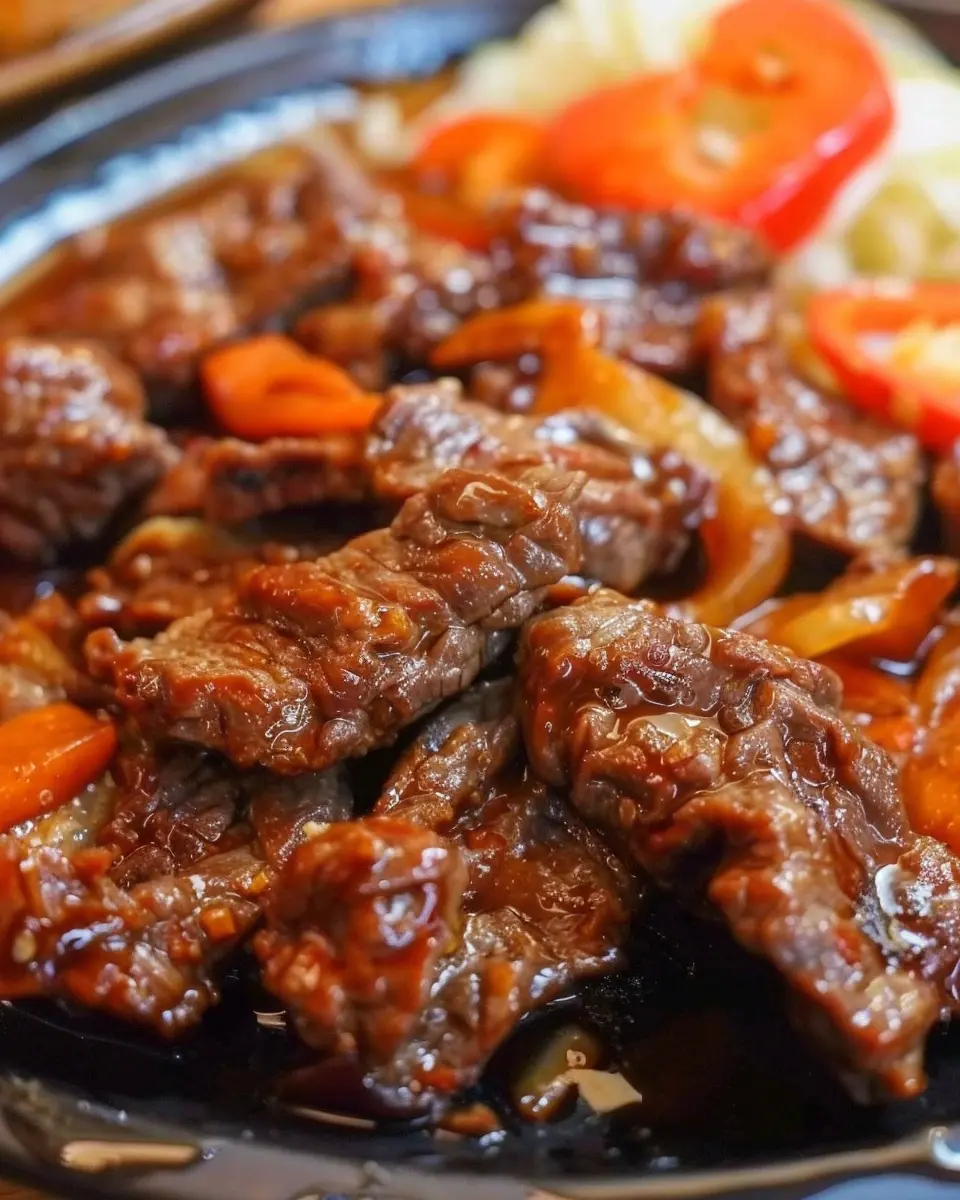
Introduction to Beijing Beef
Why homemade Beijing Beef is a game changer
Have you ever thought about how much better your favorite takeout dish can taste when it’s homemade? Beijing Beef is a perfect example. When you create this dish in your own kitchen, you’re not just mixing flavors; you’re infusing your meal with love and personal touch. By preparing it at home, you control the ingredients, allowing you to optimize the taste and nutritional value. Fresh vegetables, high-quality beef, and your favorite seasonings come together in a way that takeout simply can’t replicate. The best part? You can enjoy it straight from the pan, tailor-made to suit your palate.
My personal journey with this recipe
Let me take you back to when I first stumbled upon the idea of making Beijing Beef. I was scrolling through my social media feed when I saw an enticing picture of this delicious dish, and I knew I had to try making it myself. At first, I hesitated—was it too complicated? What if it didn’t turn out as delicious as I’d hoped? But I decided to jump in. To my surprise, it was easier than I anticipated, and the satisfaction of creating something so flavorful at home was incredibly rewarding. Each time I made it, I found new techniques and tweaks, creating my own spin on the traditional recipe. I felt like I had unlocked a hidden gem in my kitchen!
The benefits of cooking at home versus fast food
Opting for homemade meals like Beijing Beef rather than fast food comes with numerous advantages:
-
Healthier Choices: You control what’s in your dish. Skip the preservatives and heavy oils—use fresh, lean beef, and add colorful veggies. Studies show that home-cooked meals are often lower in calories and sodium compared to takeout options from food chains (American Journal of Clinical Nutrition).
-
Cost-effective: Cooking at home can save you money. Meals made from scratch are usually less expensive per serving than grabbing takeout—suddenly, that culinary investment doesn’t feel so daunting!
-
Satisfaction and Creativity: There’s nothing quite like the satisfaction from preparing a meal that aligns with your tastes and dietary needs. Plus, think of all the variations you can create in the process!
In conclusion, making Beijing Beef at home not only enhances your culinary skills but also connects you to the food in ways takeout never can. Ready to dive in? Your kitchen adventure awaits!
Ingredients for Beijing Beef
When it comes to preparing a deliciously flavorful Beijing Beef, having the right ingredients is key. Let’s break down what you’ll need to create this savory dish that’s perfect for both busy weeknights and special occasions.
Essential Ingredients for the Beef
- Beef: Choose thinly sliced flank steak or sirloin for the perfect tenderness.
- Turkey Bacon: Opt for this instead of traditional bacon for a healthier twist while still retaining that crispy texture.
Vegetables to Elevate the Dish
To bring flavor and color to your Beijing Beef, incorporate these vegetables:
- Bell Peppers: Use a mix of red, green, and yellow for a vibrant plate.
- Onions: Sliced thinly, they add sweetness and depth.
- Broccoli: A handful of florets not only adds crunch but also nutrients.
You can find more on the benefits of these veggies here.
The Secret Sauce Components
The magic of Beijing Beef lies in its sauce. Here are the essentials:
- Soy Sauce: A staple for that savory umami flavor.
- Teriyaki Sauce: Adds a touch of sweetness to balance the saltiness.
- Ginger and Garlic: Freshly minced for an aromatic kick.
By mastering these ingredients, you’ll be well on your way to cooking up a delicious batch of Beijing Beef. It’s not just about filling your plate; it’s about filling your home with warmth and inviting aromas!

Preparing Beijing Beef
Making Beijing Beef at home is not only a delightful culinary adventure but also a great way to impress your friends and family. Each step in this process builds layers of flavor, resulting in the perfect balance of sweetness, tanginess, and a satisfying crunch. Let’s dive into the preparation!
Prepare the Beef Marinade
To set the stage for our Beijing Beef, we first need a flavorful marinade. The marinade is crucial as it infuses the beef with flavor and enhances its tenderness.
- Ingredients:
- Sliced beef (about 1 pound)
- 2 tablespoons soy sauce
- 1 tablespoon fresh ginger, grated
- 1 tablespoon garlic, minced
Start by mixing these ingredients in a bowl. The soy sauce gives the beef that umami punch, while the ginger and garlic add aromatic complexity. Allow the beef to marinate for at least 30 minutes—this is the secret ingredient to achieving juicy, flavorful bites in your dish!
Mix the Flavorful Sauce
Now, let’s create the vibrant sauce that adds the final touch to your dish.
- Ingredients:
- 1/4 cup soy sauce
- 1/4 cup sugar
- 2 tablespoons rice vinegar
- 1 tablespoon cornstarch (to thicken)
Combine these ingredients in a bowl and whisk until the sugar dissolves completely. The sugar balances the saltiness of the soy sauce and introduces a delightful sweetness characteristic of Beijing Beef.
Dredging the Beef in Cornstarch
Dredging the marinated beef in cornstarch is essential for achieving that crispy texture that we all love.
- Pour some cornstarch onto a plate.
- Take each slice of marinated beef and coat it with a generous amount of cornstarch, ensuring an even covering.
This dredging creates a crispy exterior when frying, making that first bite absolutely irresistible!
Fry the Beef for That Crispy Texture
Next, it’s time to bring some heat!
- Instructions:
- Heat about 1/4 cup of vegetable oil in a large skillet or wok over medium-high heat.
- Once the oil is hot, carefully add the cornstarch-coated beef in batches, ensuring not to crowd the pan.
Fry each piece for about 2-3 minutes or until golden and crispy. Transfer them to a paper towel-lined plate to drain excess oil. This step captures the crunch that is so vital to the authenticity of Beijing Beef.
Stir-fry the Vegetables and Combine
With the beef cooked to crispy perfection, let’s stir-fry some colorful vegetables to toss in and brighten the dish.
- Ingredients:
- Bell peppers (sliced)
- Broccoli florets
- Onions (sliced)
In the same skillet, add a little more oil if necessary and stir-fry the vegetables for about 3-5 minutes until they are just tender but still vibrant. Combining the crispy beef with these vibrant vegetables not only enhances the dish aesthetically but also adds nutritional benefits.
Add the Sauce and Thickening Agent
Finally, it’s time to bring everything together!
- Pour the sauce you made earlier directly over the stir-fried vegetables and cooked beef.
- Stir the mixture to coat everything evenly, allowing the sauce to simmer for about 2 minutes until it thickens and clings to the beef and vegetables.
This final simmer develops the flavors and ensures that each bite of your Beijing Beef is rich and satisfying.
With these steps, you’ll have a dish that rivals any restaurant’s offering, right in your kitchen. Serve your Beijing Beef over steamed rice or alongside noodles for an all-rounded meal. Enjoy this delicious journey into homemade Asian cuisine!
For additional cooking inspiration, consider exploring The Wok of Life, which offers a plethora of authentic recipes and tips. Happy cooking!
Delicious Variations on Beijing Beef
Vegetarian Version Using Tofu
If you’re looking to enjoy Beijing Beef but prefer a plant-based twist, swapping your beef for tofu is a fantastic option. Silken or firm tofu can both work well depending on your texture preference. Start by pressing the tofu to remove excess moisture, then marinate it in a similar sauce made with soy sauce, ginger, and garlic. Stir-fry until golden brown for that delightful crunch. This not only enhances the flavor but gives you that satisfying chewing texture you crave. Check out some tofu cooking tips here.
Alternative Meats: Chicken or Turkey Options
For those who’d like to enjoy a different protein, chicken or turkey are excellent alternatives! Substitute the beef with thin slices of chicken breast or turkey. Using skinless turkey can keep the dish leaner, while chicken provides a familiar, savory flavor that pairs beautifully with the sweet and tangy sauce. Both can be cooked in the same manner as you would with traditional Beijing Beef. Don’t forget to adjust the cooking time, as chicken and turkey generally cook faster than beef.
Gluten-Free Adaptations for the Sauce
Are you avoiding gluten but still want to savor that signature Beijing Beef flavor? Simple adjustments can make your dish gluten-free! Replace soy sauce with a gluten-free alternative, such as tamari or coconut aminos. Both options offer a rich umami flavor that complements the dish perfectly. Be sure to check any pre-packaged ingredients for hidden gluten sources, and you’ll have a meal that satisfies your cravings without the gluten worry.
By making these simple variations, you can enjoy Beijing Beef in a way that suits your dietary needs and personal tastes. What creative twists will you try?

Cooking Tips and Notes for Beijing Beef
How to Slice the Beef for Tenderness
To ensure your Beijing Beef is tender and flavorful, slicing the beef against the grain is essential. This technique breaks down the muscle fibers, making each bite softer. Aim for slices about 1/4 inch thick—this thickness allows for quick cooking while maintaining juiciness. Don’t rush; taking your time will result in a much better texture.
Keeping Vegetables Crispy versus Soft
When preparing your Beijing Beef, consider the balance of crispy and soft vegetables. Sauté bell peppers and broccoli quickly over high heat to keep them crunchy. If you prefer softer veggies, add them earlier in the cooking process. The versatility allows customization based on your taste preferences!
Importance of Prepping Ingredients in Advance
Before diving into cooking your Beijing Beef, prep all ingredients beforehand. Chop your vegetables, slice the beef, and mix your sauces. This not only streamlines your cooking but also prevents the confusion that can come while cooking. Many seasoned cooks swear by this method to maintain focus—a little planning goes a long way!
For more tips on perfecting your cooking techniques, perhaps check out Serious Eats for additional insights. Happy cooking!
Serving Suggestions for Beijing Beef
Best side dishes to pair with Beijing Beef
When it comes to enjoying Beijing Beef, the sides can truly elevate your meal. Here are some favorites that complement the dish beautifully:
- Steamed Jasmine Rice: A classic choice, its fragrant nature soaks up the savory sauce wonderfully.
- Stir-Fried Vegetables: Colorful bell peppers, snap peas, and broccoli not only add crunch but also a nutrient boost.
- Egg Fried Rice: This decadent alternative brings in extra texture and flavor, making each bite more satisfying.
- Spring Rolls: These crispy delights offer a light starter to kick off your Beijing Beef feast. Plus, they add a delightful crunch.
Creative serving ideas for entertaining
If you’re hosting a gathering, consider these fun and whimsical ways to present your Beijing Beef:
- Mini Lettuce Wraps: Serve the beef in crisp lettuce leaves for a refreshing, hands-on twist. Each bite feels interactive and delightful!
- Rice Bowl Bar: Let your guests personalize their bowls with toppings like avocados, sesame seeds, and spicy sauces, turning dinner into a playful experience.
- Skewers for a Twist: Thread small pieces of beef and veggies onto skewers for easy serving and a delightful presentation.
These imaginative serving suggestions not only make your Beijing Beef shine but also ensure that your meal is an engaging experience for everyone at the table. For more pairing inspiration, check out sources like Serious Eats or Food Network for great side dish ideas.
Time Breakdown for Beijing Beef
When you’re ready to whip up a delicious plate of Beijing Beef, knowing how long each step takes can streamline your cooking experience. Let’s break it down!
Preparation Time
The preparation for this savory dish takes about 15 minutes. During this time, you’ll want to slice your beef and veggies, and gather all your ingredients. Preparing everything in advance not only makes the cooking process smoother but also ensures you won’t miss a crucial step. Trust me, nothing feels better than a well-prepped kitchen!
Cooking Time
Once you dive into cooking, expect to spend around 20 minutes on the stove. This includes sautéing the beef until it’s tender, and then cooking your veggies to perfection. Quick tip: using high heat helps lock in flavors while giving your Beijing Beef that signature stir-fry texture.
Total Time
In total, you’re looking at about 35 minutes from start to finish. This makes Beijing Beef a fantastic option for a weekday dinner—quick, tasty, and impressive enough to share with friends. If you want to level up your cooking game, consider check out this handy kitchen tool guide for efficient cooking insights!
With a little planning, you’ll be serving up irresistible Beijing Beef in no time!
Nutritional Facts for Beijing Beef
Breakdown of calories
When enjoying a delightful serving of Beijing Beef, settling into the nutritional side can enhance your dining experience. A typical serving contains around 220 calories, allowing you to savor the dish without straying too far from your health goals. While it’s a tasty treat, pairing it with healthy sides like steamed vegetables can create a balanced meal.
Insights on protein and sodium content
In terms of protein, Beijing Beef offers about 10 grams per serving—perfect for those looking to maintain a healthy diet. The dish, however, has a moderate sodium content, averaging around 700 mg. For more information on sodium recommendations, check the CDC’s guidelines. Staying within the recommended limits can help you fully enjoy this flavorful dish without the worry. Consider using low-sodium sauces or fresh herbs to enhance the flavors without the added salt.
Incorporating these insights can help you indulge in Beijing Beef while keeping your health in check.
FAQs about Beijing Beef
What can I substitute for beef in this recipe?
If you’re looking for alternatives to beef in your Beijing Beef recipe, you’re in luck! There are several options that can still deliver a great flavor and texture.
- Chicken: Tender chicken breast or thighs can absorb flavors beautifully if marinated properly.
- Tofu: A fantastic plant-based choice! Extra-firm tofu can be marinated and stir-fried to achieve a meaty texture.
- Seitan: If you’re vegan or vegetarian, seitan works wonders as a beef substitute, mimicking the chewiness of meat.
Explore these alternatives and see which one suits your taste and dietary needs best!
How can I store and reheat leftovers?
Storing your Beijing Beef is simple! Just let it cool down completely, then transfer it to an airtight container. It will last in the fridge for up to three days. For reheating:
- Microwave: Pop it in the microwave for 1-2 minutes, stirring halfway to ensure even heating.
- Skillet: For a more “just-cooked” taste, reheat in a skillet over medium heat until warmed through.
Check out resources from The USDA for safe food storage practices!
Can I make this recipe in advance?
Absolutely! Preparing Beijing Beef in advance is a great time-saver. You can marinate the beef (or your chosen substitute) the night before and store the sauce separately in the refrigerator. When you’re ready to cook, just whip it all together; it’s a tasty way to savor your meal without the rush! This method not only enhances flavor but also fits perfectly into a busy lifestyle.
If you have more questions or tips, feel free to reach out in the comments! Happy cooking!
Conclusion on Homemade Beijing Beef
Final thoughts on making this dish at home
Making Beijing Beef at home can be a rewarding experience. Not only do you get to control the ingredients, but you also have the freedom to adjust flavors to your liking. Whether you prefer a sweeter sauce or a bit of extra spice, customizing your dish can elevate your culinary skills. Plus, the aroma wafting through your kitchen will leave you and your friends eagerly anticipating that first bite.
Encouragement to experiment and enjoy the cooking process
Don’t hesitate to experiment! Try different cuts of beef, swap in colorful veggies, or even add your favorite herbs. Cooking is all about discovery and fun, so let your creativity shine. Remember, the process can be as enjoyable as the dish itself, so grab your apron, turn on some music, and dive into the delightful world of homemade Beijing Beef. Who knows, you might just create a new family favorite! For more inspiration, check out resources like the American Heart Association and Food Network for healthy cooking tips. Happy cooking!
PrintBeijing Beef: Easy Homemade Recipe for Flavorful Indulgence
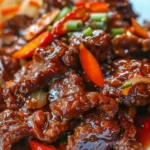
This Beijing Beef recipe combines tender beef with crispy vegetables in a savory sauce, perfect for a delicious meal.
- Prep Time: 15 minutes
- Cook Time: 20 minutes
- Total Time: 35 minutes
- Yield: 4 servings 1x
- Category: Main Dish
- Method: Stir Fry
- Cuisine: Chinese
- Diet: Gluten-Free
Ingredients
- 1 pound beef sirloin, thinly sliced
- 1 cup bell peppers, sliced
- 1 cup onion, sliced
- 2 tablespoons soy sauce
- 2 tablespoons cornstarch
- 1 tablespoon vegetable oil
- 1 teaspoon ginger, minced
- 2 cloves garlic, minced
- 1/4 cup sugar
- 1/4 cup water
Instructions
- In a bowl, combine beef with soy sauce and cornstarch. Marinate for 15 minutes.
- In a large pan, heat oil over medium heat. Add beef and cook until browned.
- Remove beef and set aside. In the same pan, stir-fry onions, bell peppers, garlic, and ginger.
- Add beef back to the pan with sugar and water. Cook for another 5 minutes until well combined.
- Serve hot over rice or noodles.
Notes
- Pair with jasmine rice for a complete meal.
- Adjust sugar to taste for desired sweetness.
Nutrition
- Serving Size: 1 serving
- Calories: 320
- Sugar: 10g
- Sodium: 600mg
- Fat: 15g
- Saturated Fat: 3g
- Unsaturated Fat: 10g
- Trans Fat: 0g
- Carbohydrates: 30g
- Fiber: 2g
- Protein: 25g
- Cholesterol: 70mg
Keywords: Beijing Beef, homemade Chinese beef, easy recipes