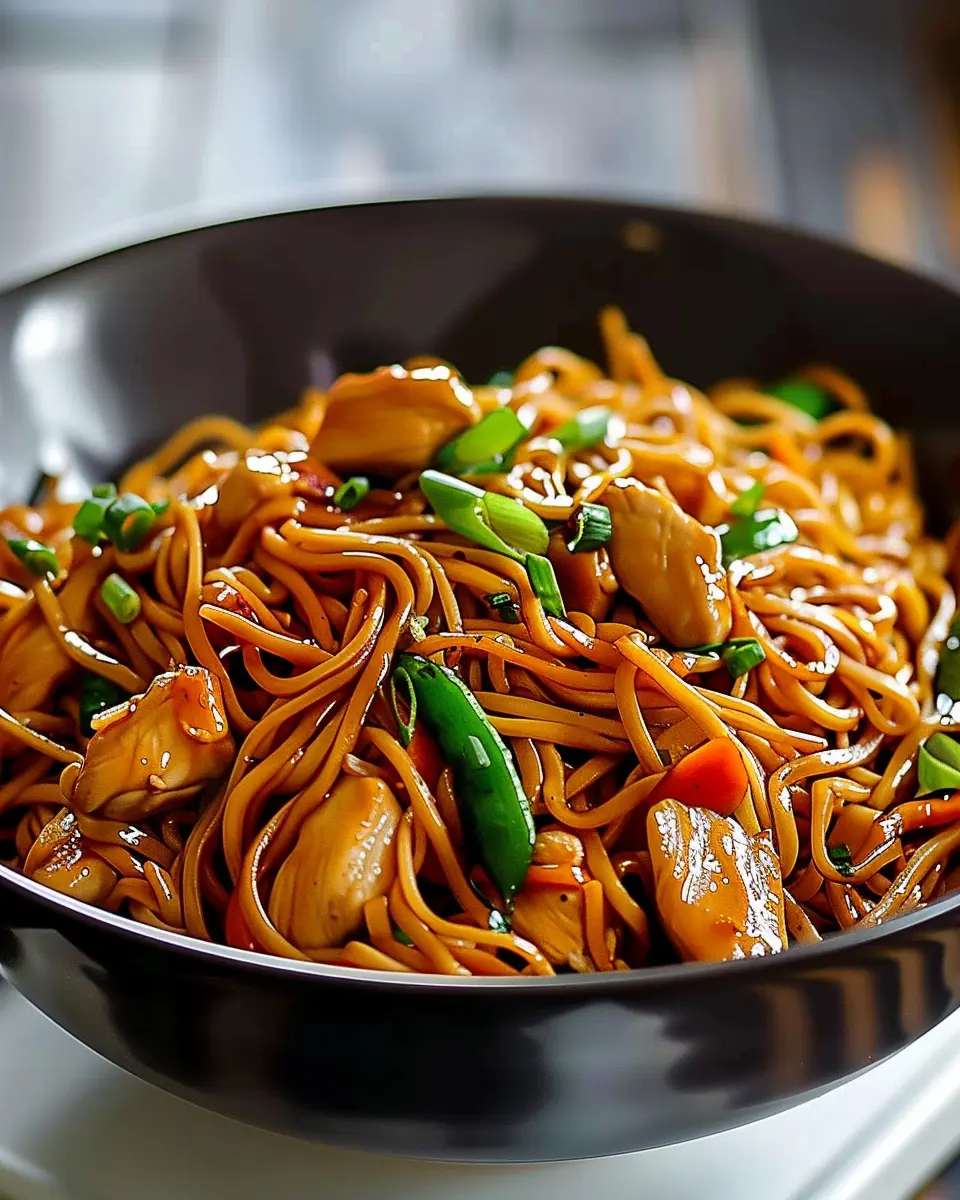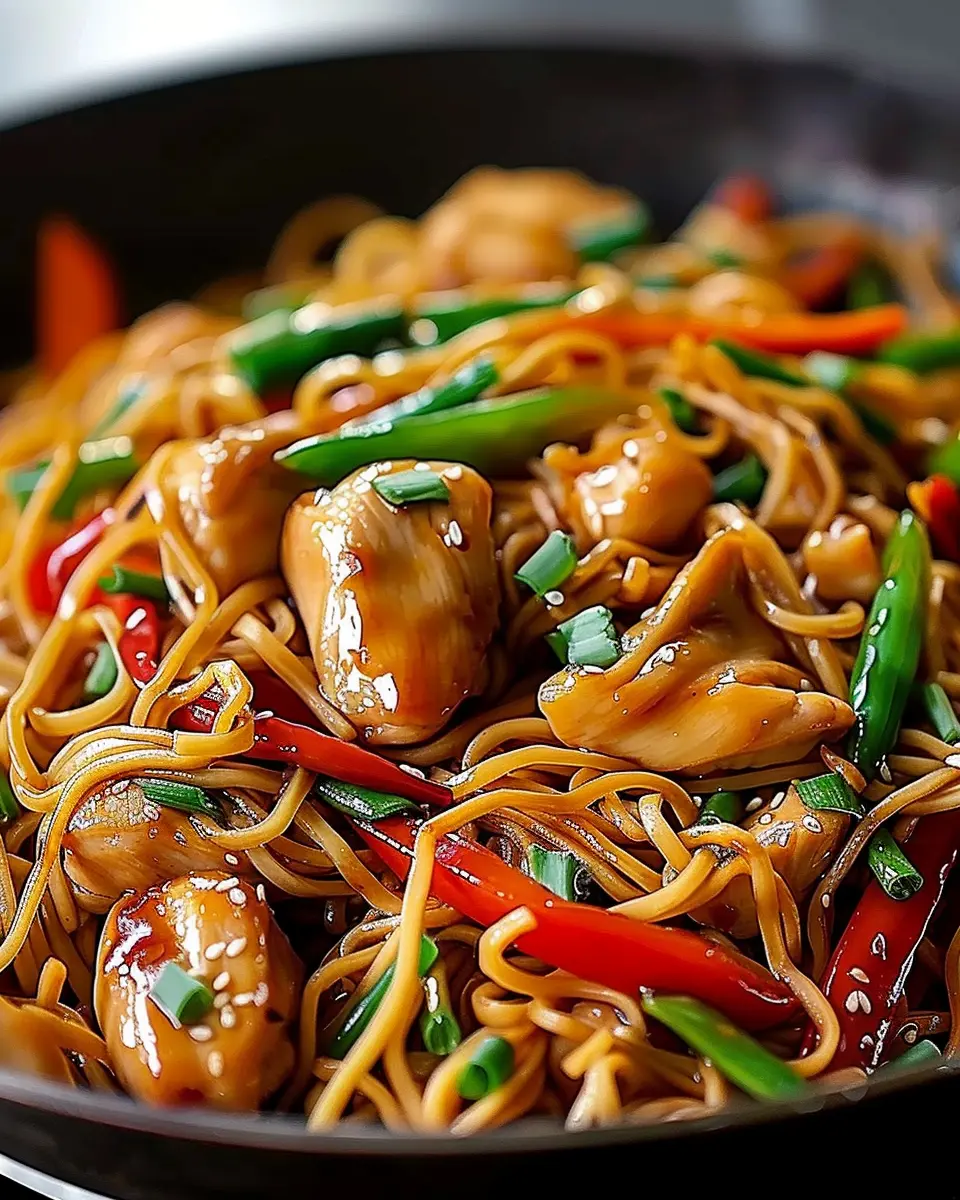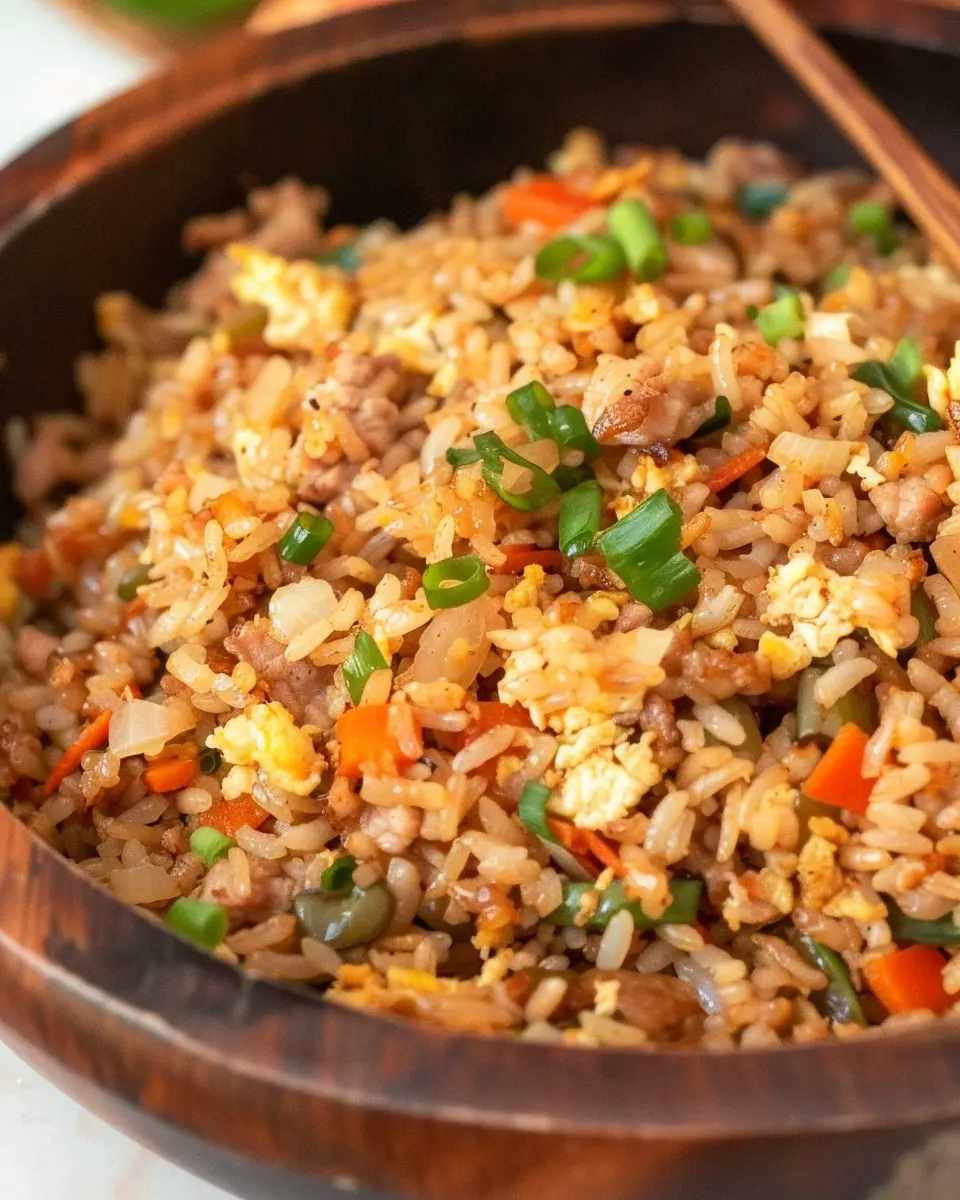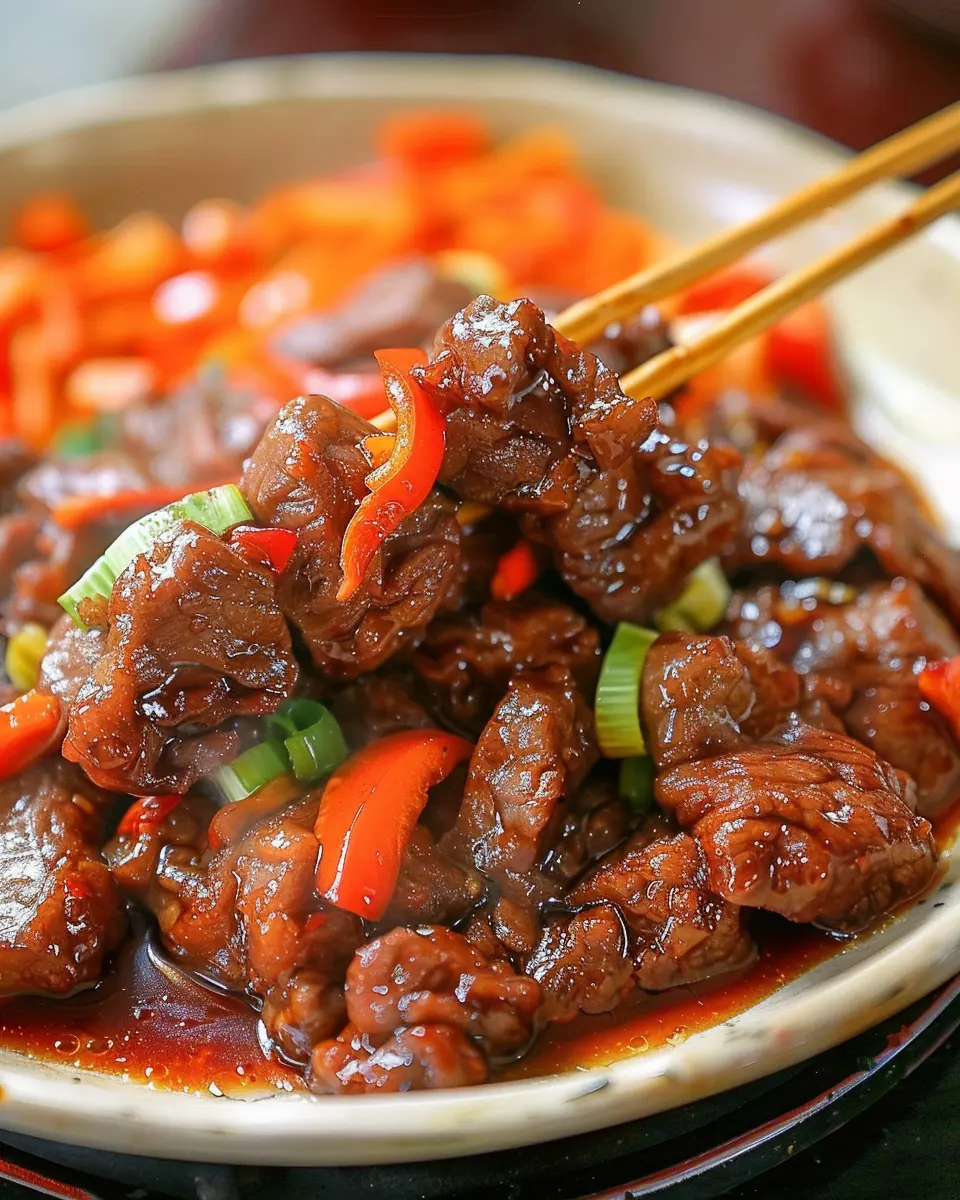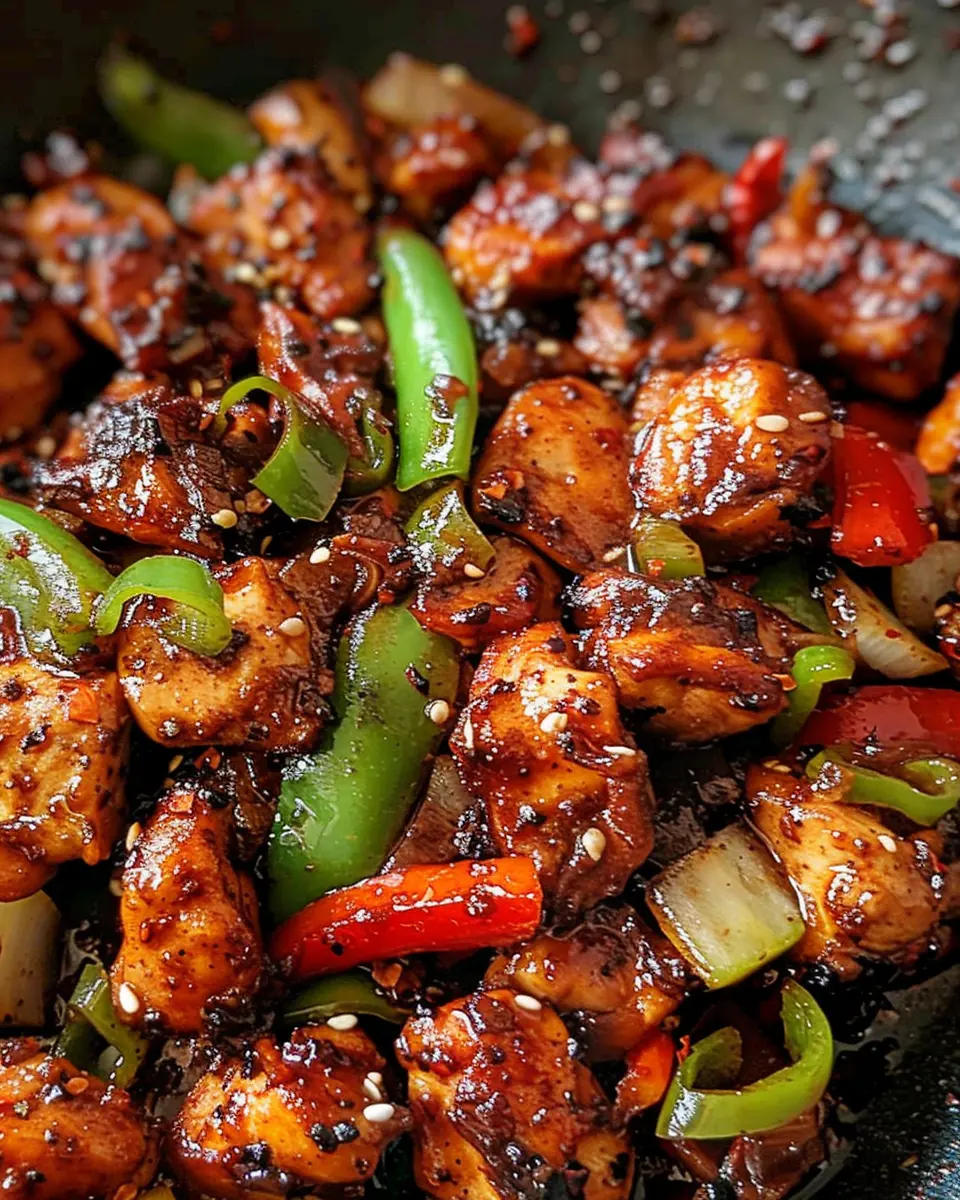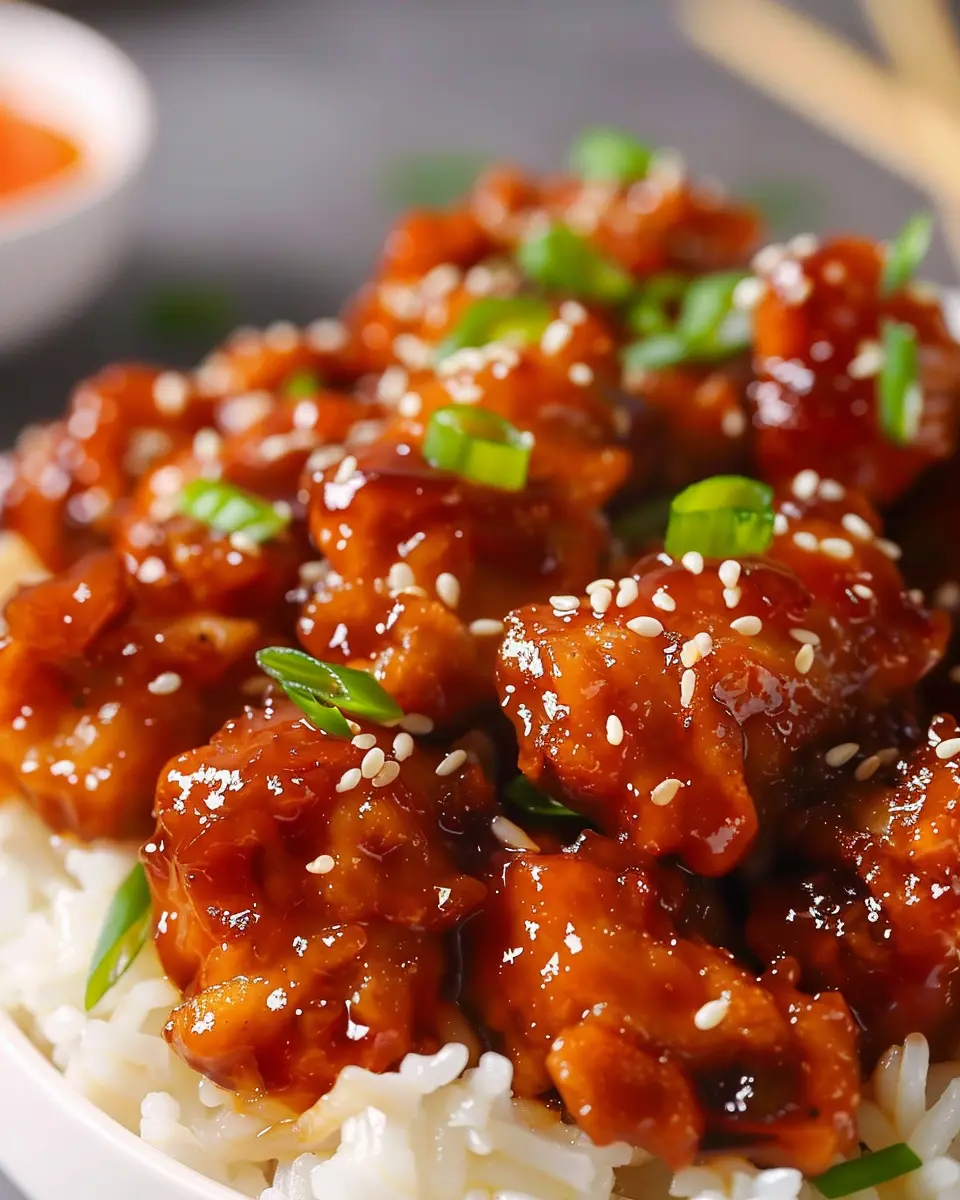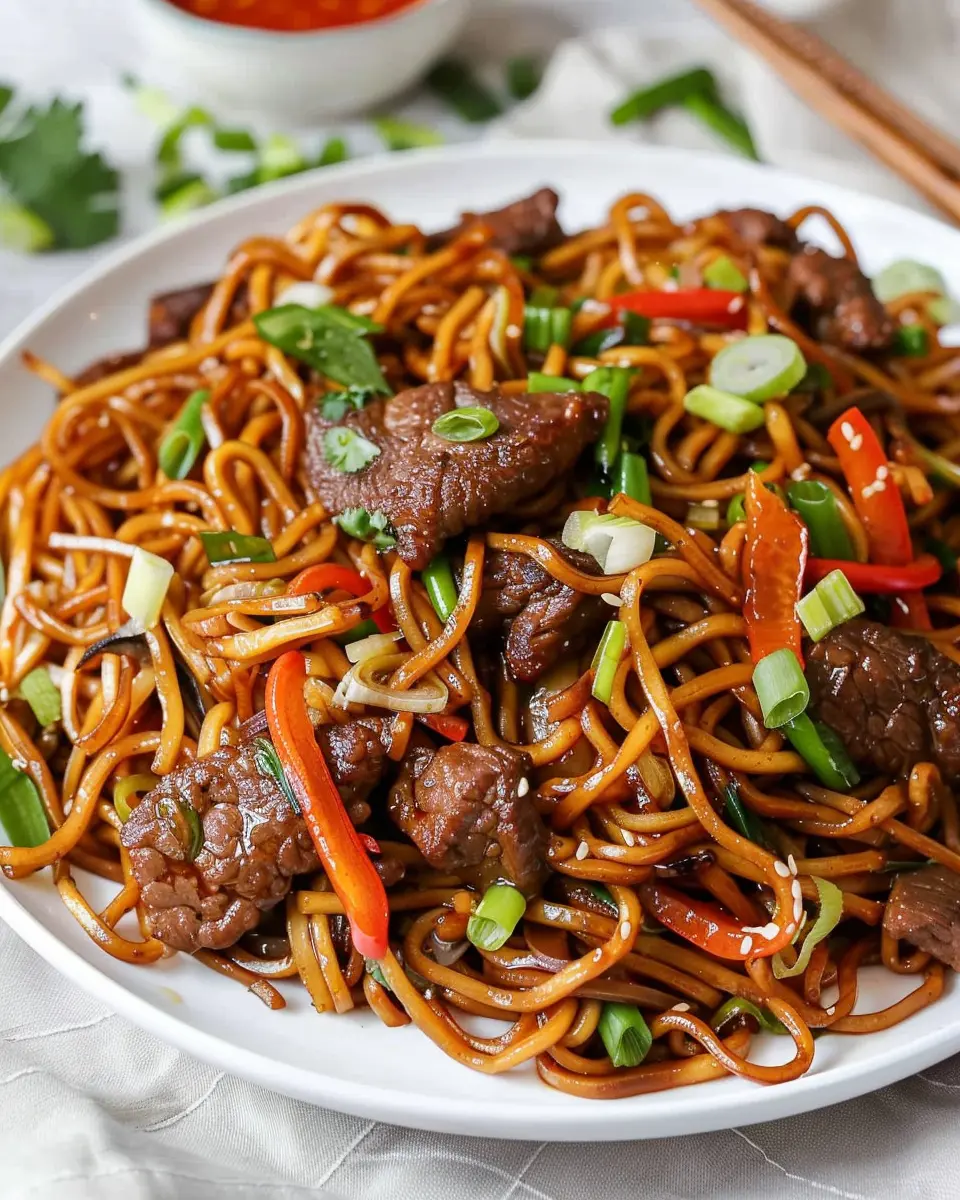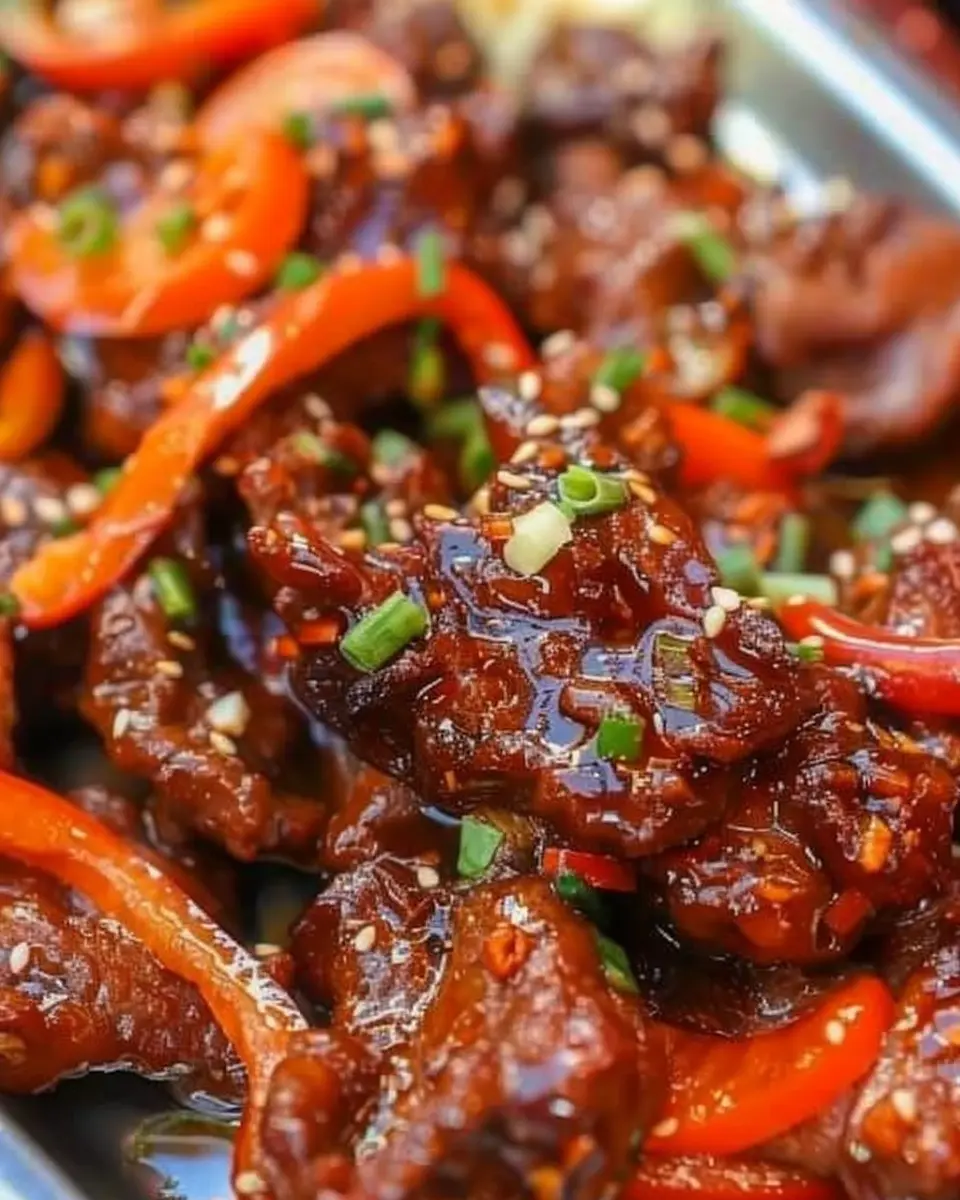
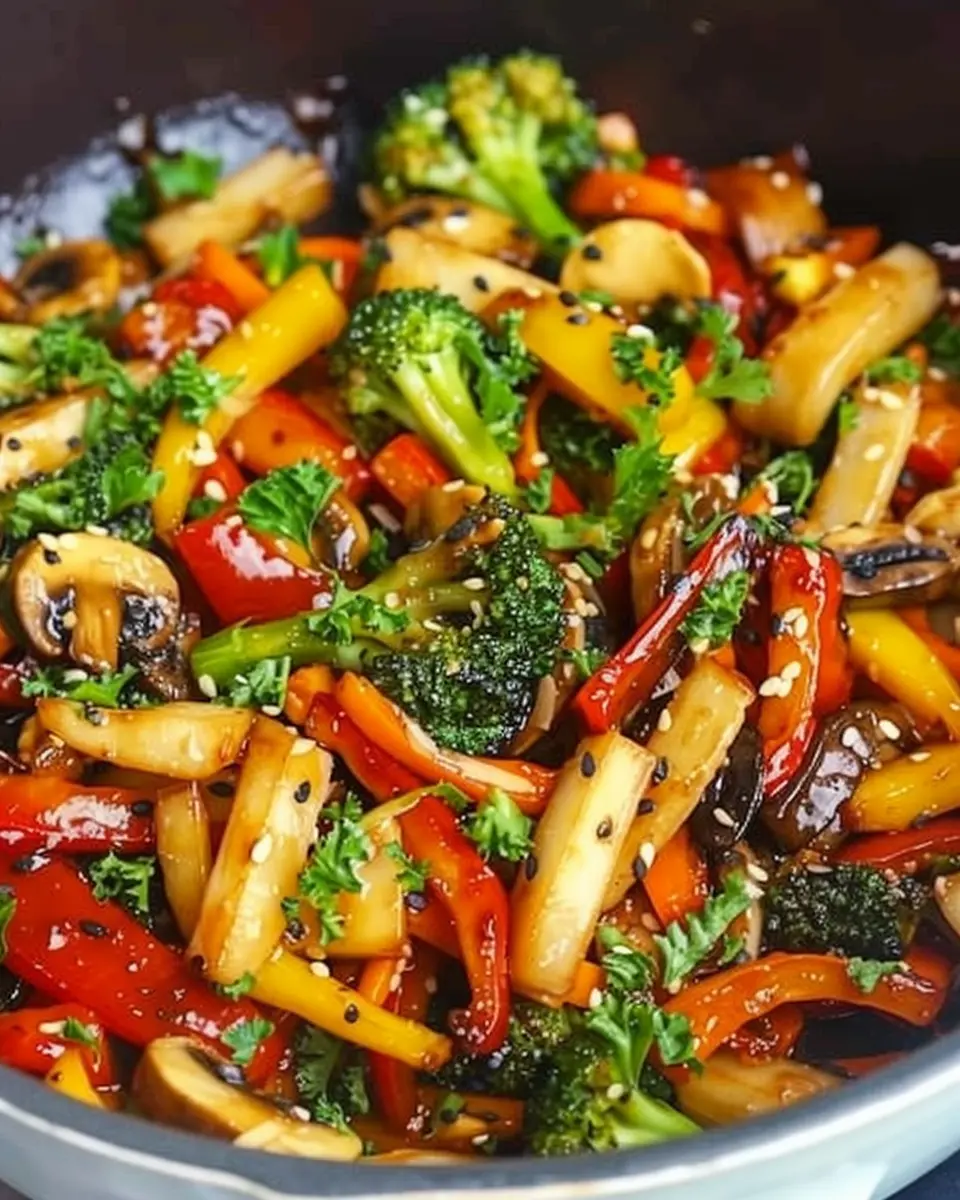
Introduction to Vegetable Stir Fry
If you’re a young professional juggling work, social life, and personal commitments, you might be wondering how to maintain a healthy diet without sacrificing time or taste. Enter the vegetable stir fry—a vibrant, nutrient-packed solution that checks all the boxes.
Why Vegetable Stir Fry Is the Ideal Meal for Young Professionals
One of the best things about a vegetable stir fry is its incredible versatility. Whether you’re a seasoned chef or a complete novice in the kitchen, this dish comes together in a matter of minutes. You can easily customize it with a variety of vegetables such as bell peppers, broccoli, and snap peas. Plus, you can choose your protein, whether it’s tofu, chicken, or even turkey bacon for a little added flavor.
Not only does a vegetable stir fry save time, but it’s also packed with health benefits. According to the Harvard T.H. Chan School of Public Health, vegetables are crucial for a balanced diet, boasting vitamins, minerals, and fiber. Eating colorful veggies can boost your energy levels, helping you power through your busy day.
Here’s another advantage: it’s budget-friendly! A vegetable stir fry allows you to utilize seasonal produce and pantry staples, minimizing food waste. With just a few ingredients, you can create a satisfying meal that won’t break the bank.
But let’s get real—after a long day at the office, no one wants to spend hours meal prepping. Stir-frying is one of the fastest cooking methods available, with most dishes ready in under 30 minutes. This means you’ll have more time to unwind or spend with friends after a hectic week.
Additionally, the flavors of a vegetable stir fry are endless! With the right sauces and spices, you can transport your taste buds to different cuisines. Consider using soy sauce, sesame oil, or even a splash of citrus for that extra zing. Want to keep it fresh? Try adding some ginger and garlic for an aromatic kick.
So, if you’re looking for a quick, healthy, and delicious meal, the vegetable stir fry should definitely be on your radar. Ready to get cooking? Let’s dive into the recipe and start whipping up your own culinary masterpiece!
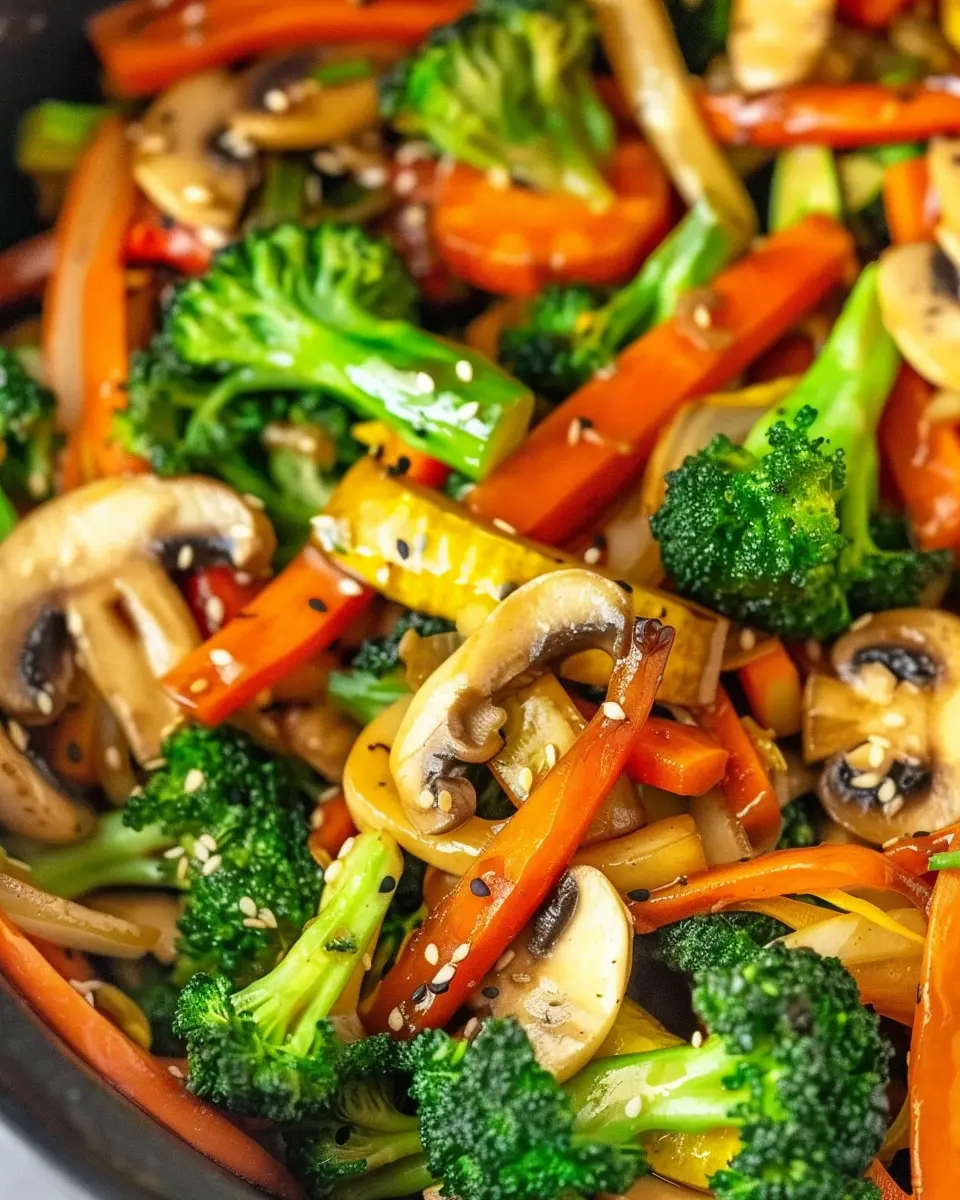
Ingredients for Vegetable Stir Fry
Essential ingredients for a basic vegetable stir fry
Creating a scrumptious vegetable stir fry is all about using fresh, vibrant ingredients. You’ll want to start with a mix of colorful veggies like:
- Bell peppers
- Broccoli
- Carrots
- Snap peas
- Onion
These vegetables not only add a crunch but also pack a punch of essential nutrients, keeping your meal healthy and satisfying. For the base of your stir fry, consider using a neutral oil, like canola or avocado oil, which can withstand high heat without burning. Don’t forget to include soy sauce (or tamari for a gluten-free option) and garlic for that delicious umami flavor!
Optional ingredients for customization
Feel free to switch things up based on your pantry and preferences! You can add in:
- Mushrooms
- Spinach or kale
- Zucchini
- Protein options like chicken ham, turkey bacon, or even tofu for a vegetarian spin.
Seasonings like ginger, sesame oil, or even a splash of citrus (lemon or lime juice) can elevate the dish even more. Want to explore different flavor profiles? Consider adding chili flakes or a sprinkle of sesame seeds. Customizing your vegetable stir fry lets you enjoy new combinations every time you cook!
For more tips on vegetable selection, check out this guide to seasonal veggies that can enhance your stir fry experience!
Preparing Vegetable Stir Fry
Making a vibrant vegetable stir fry at home is not only easy; it’s also a great way to indulge in fresh and healthy eats. Let’s dive into the steps!
Gather and Prep Your Ingredients
The first step to a delicious stir fry is ensuring you have all your ingredients ready. Aim for a colorful mix of vegetables to create a visually appealing and nutrient-packed dish. Here’s what you’ll need:
- Vegetables: Popular choices include bell peppers, broccoli, carrots, snap peas, and zucchini. Feel free to get creative with seasonal veggies or whatever you have in the fridge!
- Protein (optional): If you want to add some substance, consider incorporating turkey bacon or chicken ham.
- Aromatics: Don’t forget garlic, ginger, and onions. These will elevate your dish with fantastic flavors.
- Stir Fry Sauce Ingredients: Soy sauce, sesame oil, and a touch of rice vinegar or apple cider vinegar for tanginess.
Once you’ve gathered your ingredients, rinse and chop the vegetables into bite-sized pieces. This not only helps with even cooking but also makes for an appealing presentation.
Make the Stir Fry Sauce
A good stir fry sauce can make or break your dish. If you’re short on time, pre-made sauces work well, but making your own is quite simple and delicious. Here’s a quick recipe:
-
In a small bowl, combine:
- ¼ cup soy sauce
- 1 tablespoon sesame oil
- 1 tablespoon rice vinegar (or apple cider vinegar)
- 1 tablespoon sugar (or honey)
- A sprinkle of red pepper flakes for heat (optional)
-
Whisk until smooth and set aside. The blend of savory and tangy will add depth to your vegetable stir fry.
If you’re interested in more sauce ideas, check out this sauce guide for a variety of flavor profiles.
Sauté the Vegetables
Now, let’s hit the stove! Heat a large skillet or wok over medium-high heat. Add a splash of vegetable or sesame oil. When the oil is shimmering, it’s time to toss in your chopped veggies.
- Start with sturdier vegetables like carrots and broccoli, as they take longer to cook.
- Stir frequently; you’ll want them tender but still crisp, which usually takes about 3-5 minutes.
Feel free to get experimental with cooking times based on your vegetable choices. Just ensure they’re vibrant and still crunchy!
Add Aromatics for Flavor
After your veggies have begun to soften, it’s time to amplify their flavor profile. Add minced garlic, grated ginger, and sliced onion to the pan.
- Quick Tip: Add these aromatics at this stage so they don’t burn. They’ll need only about 1-2 minutes to release their fragrant oils, which will envelop your veggies in an unforgettable aroma.
It’s fascinating how much of a difference these ingredients can create in a dish. Did you know that garlic and ginger not only provide flavor but also come packed with health benefits? Garlic is known for its antiviral properties, while ginger can aid digestion.
Combine Sauce and Vegetables
Now, it’s showtime! Pour your sauce over the sautéed vegetables, stirring well to combine.
- Cook for an additional 1-2 minutes, allowing the sauce to thicken slightly and coat every piece of deliciousness. This is when your vegetable stir fry transforms into a cohesive and flavorful dish.
Serve it hot over rice or noodles, and you have yourself a satisfying meal! Don’t forget to garnish with sesame seeds or chopped green onions for extra flair.
Enjoy Your Creation
Cooking can be a delightful adventure, and this vegetable stir fry is not only healthy but also a versatile dish that adapts to your taste and pantry ingredients. So, roll up your sleeves, gather your ingredients, and savor the flavors of this colorful dish!
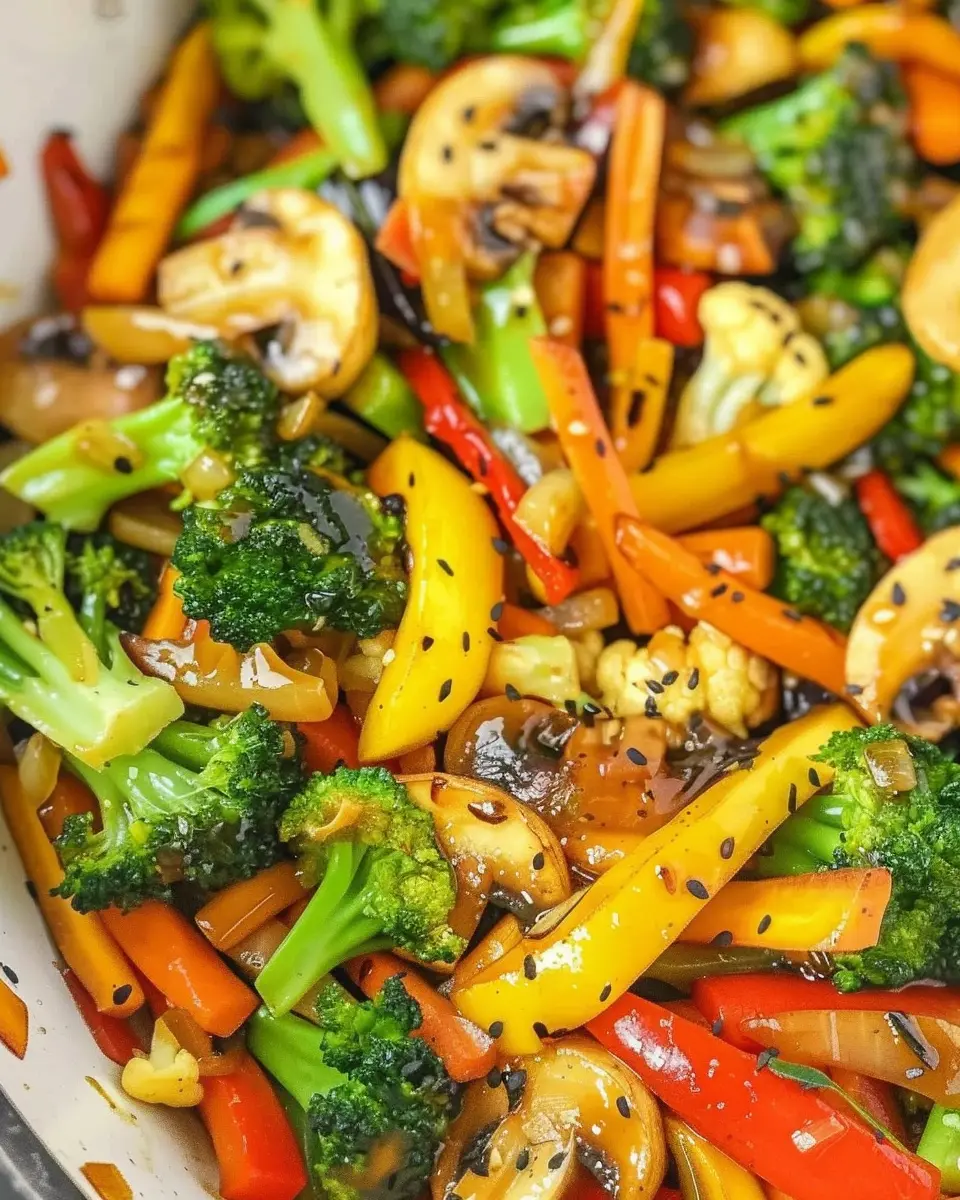
Variations on Vegetable Stir Fry
Protein Additions: Chicken, Tofu, or Shrimp
When it comes to enhancing your vegetable stir fry, adding a protein source can transform a simple dish into a hearty meal. You might be a fan of tender chicken breast, succulent shrimp, or the ever-versatile tofu.
- Chicken: Quick to cook and easy to flavor, diced chicken breast can add a wonderful texture and protein boost. Just sauté it before adding your vegetables for a fulfilling dish.
- Tofu: If you’re looking for a plant-based option, tofu is not only great in a stir fry, but it also absorbs flavors beautifully. Firm tofu works best; press and cube it to ensure it holds its shape.
- Shrimp: If you’re a seafood lover, shrimp provides a quick cooking option that’s both delicious and nutritious. Just toss them in for the last few minutes of cooking to avoid overcooking.
Veggie Swaps: Seasonal or Preferred Vegetables
One of the best things about stir fry is its flexibility. You can easily swap in seasonal vegetables or those you simply enjoy more.
- Spring: Think asparagus, snap peas, and baby bok choy.
- Summer: Make use of zucchini, bell peppers, and fresh corn.
- Fall/Winter: Reach for Brussels sprouts, carrots, and squash.
Not sure what else to try? Incorporating vegetables like broccoli, mushrooms, or snap peas is always a winner! Experts suggest that maximizing your vegetable intake can improve overall health, so feel free to experiment and get creative.
For more inspiration, consider exploring resources like the EatWell Guide that provides seasonal vegetable recommendations and nutritional tips.
Whatever proteins or veggies you choose, your vegetable stir fry is bound to be a hit!
Cooking Notes for Vegetable Stir Fry
Tips for Perfect Sautéed Vegetables
Creating the ideal vegetable stir fry is all about technique. Here are some tips to elevate your dish:
- Cut Evenly: Aim for uniform sizes to ensure even cooking. This helps avoid some veggies being too crunchy while others are mushy.
- Preheat your Pan: A hot pan is essential! It helps in achieving that beautiful sear and enhances flavor. Use a high smoke point oil like canola or grapeseed.
- Don’t Crowd the Pan: Give your vegetables room to breathe. Cooking in batches is often necessary to avoid steaming instead of sautéing.
Avoiding Common Mistakes
Avoid the pitfalls many face when cooking a vegetable stir fry:
- Cooking Too Long: Overcooking can lead to wilted, lifeless veggies. Aim for a vibrant crunch!
- Ignoring Seasoning: Season as you go. Use soy sauce, garlic, or even citrus juice for a flavor boost. Find more on seasoning techniques here.
Incorporating these tips will lead to a delightful, colorful dish bursting with flavor—perfect for any weeknight meal!
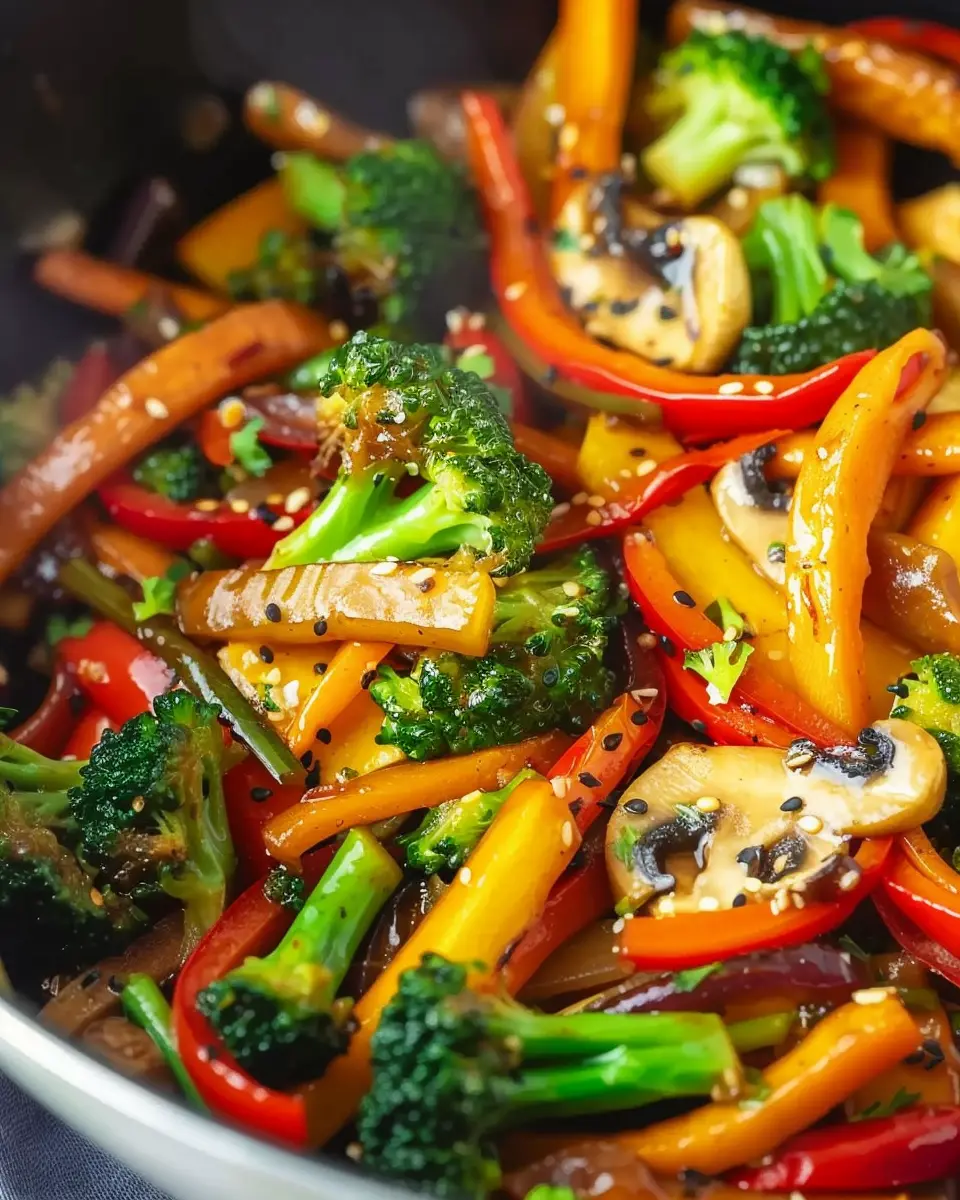
Serving suggestions for Vegetable Stir Fry
Pairing your stir fry with rice or noodles
When it comes to enjoying your vegetable stir fry, consider pairing it with either rice or noodles for a satisfying meal. Brown rice is a nutritious choice that adds a wholesome dimension, while white rice provides a lighter feel. If you’re in the mood for noodles, opt for whole-grain noodles or rice noodles for a unique twist. The chewy texture of noodles absorbs the stir fry’s delicious flavors beautifully.
Creative serving ideas
Don’t settle for a basic bowl. Here are some fun, creative ways to serve your dish:
- Wrap it up: Use large lettuce leaves or rice paper to create fresh, vibrant wraps filled with your stir fry.
- Top it off: Sprinkle some toasted sesame seeds, chopped scallions, or crushed nuts for added crunch.
- Make it a meal: Serve your stir fry on a bed of quinoa to amp up the protein and fiber content.
Feeling adventurous? Explore these unique stir fry recipes for inspiration! Your stir fry won’t just be a meal; it’ll be a colorful feast that bursts with flavor and nutrition.
Time Breakdown for Vegetable Stir Fry
Preparation Time
For a delicious vegetable stir fry, you’ll want to allow about 15 minutes for prep. This includes washing, chopping, and gathering your fresh veggies. Selecting the right mix can elevate your dish, so take a moment to choose vibrant ingredients.
Cooking Time
Once everything is ready, the cooking doesn’t take long! You’ll be stirring away for just 10 minutes. High heat is key to achieving that perfect crunch while keeping your vegetables bright and flavorful.
Total Time
In total, you’re looking at around 25 minutes from start to finish. That means in less than half an hour, you can whip up a nutritious and satisfying meal. It’s perfect for busy weeknights or a quick lunch!
For more tips on quick meals, check out sources like Food Network or Serious Eats.
Nutritional Facts for Vegetable Stir Fry
Calories and Macronutrients
A serving of vegetable stir fry typically contains around 150 calories, making it a guilt-free option for those watching their intake. It’s generally composed of a balance of macronutrients, including:
- Protein: Approx. 4g from vegetables and added protein sources.
- Fat: About 5g, primarily from cooking oil or nuts.
- Carbohydrates: Roughly 25g, including fiber which aids digestion.
Health Benefits of Eating Vegetables
Eating a colorful assortment of vegetables in your stir fry isn’t just a feast for the eyes; it’s a decision packed with health benefits. Vegetables are rich in essential vitamins, minerals, and antioxidants. For example, broccoli is a powerhouse of Vitamin C, while carrots provide beta-carotene, essential for eye health.
Incorporating vegetables into your meals can improve heart health, boost your immune system, and even help with weight management. Did you know that a diet high in vegetables can reduce the risk of chronic diseases? According to the CDC, only 1 in 10 adults consume the recommended servings of fruits and vegetables. By preparing a wholesome vegetable stir fry, you’re taking a step toward better health.
For more insights on vegetable nutrition, check out this resource from the USDA, which offers extensive information on the benefits of various veggies. Embrace the versatility of vegetables and let your stir fry be a canvas for a healthier lifestyle!
FAQs about Vegetable Stir Fry
Can I use frozen vegetables for stir fry?
Absolutely! Using frozen vegetables can save time and still result in a delicious vegetable stir fry. They’re often flash-frozen at peak freshness, preserving their nutrients and flavor. Just make sure to thaw them slightly and pat them dry with a paper towel to avoid excess moisture, which can make your stir fry soggy. If you’re curious about the nutritional benefits of frozen vegetables, this article provides some great insights.
What if I don’t have certain ingredients?
Don’t worry if you’re missing a specific vegetable or ingredient. A stir fry is inherently flexible! Feel free to swap out any vegetable for what you have on hand, such as using bell peppers instead of broccoli, or adding in some snap peas instead of carrots. You can even omit the protein entirely for a vegan option, or incorporate plant-based alternatives like tofu or seitan. The key is to maintain a balance of colors and textures to keep your dish interesting.
How can I make my stir fry more flavorful?
To amp up the flavor in your vegetable stir fry, try these tips:
- Use fresh herbs: Adding fresh basil or cilantro at the end can provide a burst of freshness.
- Fancy flavors: Incorporate soy sauce, teriyaki sauce, or a splash of sesame oil for depth. A pinch of sugar can help balance the acidity.
- Experiment with spices: Toss in some ginger, garlic, and chili flakes to elevate the taste.
Experimenting with flavors not only makes your stir fry delicious but helps you discover what you love, making each meal unique. Happy cooking!
Conclusion on Vegetable Stir Fry
In summary, a vegetable stir fry is not only an easy meal solution but also a delicious canvas for creativity in your kitchen. The beauty of stir fry lies in its convenience—just toss your favorite vegetables into a hot pan and watch them transform into a delightful dish in minutes.
With various sauces and proteins like Turkey Bacon or Chicken Ham to choose from, you can tailor this dish to suit your palate and dietary needs. Start exploring fresh ingredients and experiment with flavor combinations tonight. For more tips on healthy eating, check out Nutrition.gov for resources that inspire you to make every meal an adventure!
PrintVegetable Stir Fry: Easy and Colorful Homemade Delight
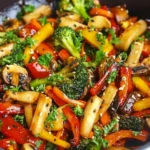
Enjoy a quick and vibrant Vegetable Stir Fry that’s packed with flavors and nutrients. Perfect for a healthy meal.
- Prep Time: 10 minutes
- Cook Time: 10 minutes
- Total Time: 20 minutes
- Yield: 4 servings 1x
- Category: Main Course
- Method: Stir Fry
- Cuisine: Asian
- Diet: Vegetarian
Ingredients
- 2 cups mixed vegetables (bell peppers, broccoli, carrots)
- 2 tablespoons soy sauce
- 1 tablespoon olive oil
- 1 teaspoon garlic, minced
- 1 teaspoon ginger, grated
- optional sesame seeds for garnish
Instructions
- Heat olive oil in a large skillet over medium-high heat.
- Add minced garlic and grated ginger, sauté for 1 minute.
- Add mixed vegetables and stir fry for about 5-7 minutes until tender.
- Pour soy sauce over the vegetables and stir to combine.
- Cook for an additional 2 minutes, then remove from heat.
- Garnish with sesame seeds if desired and serve immediately.
Notes
- Feel free to add any vegetables you have on hand.
- This dish pairs well with rice or noodles.
Nutrition
- Serving Size: 1 cup
- Calories: 150
- Sugar: 3g
- Sodium: 500mg
- Fat: 7g
- Saturated Fat: 1g
- Unsaturated Fat: 4g
- Trans Fat: 0g
- Carbohydrates: 20g
- Fiber: 5g
- Protein: 5g
- Cholesterol: 0mg
Keywords: Vegetable Stir Fry, quick recipe, healthy meals