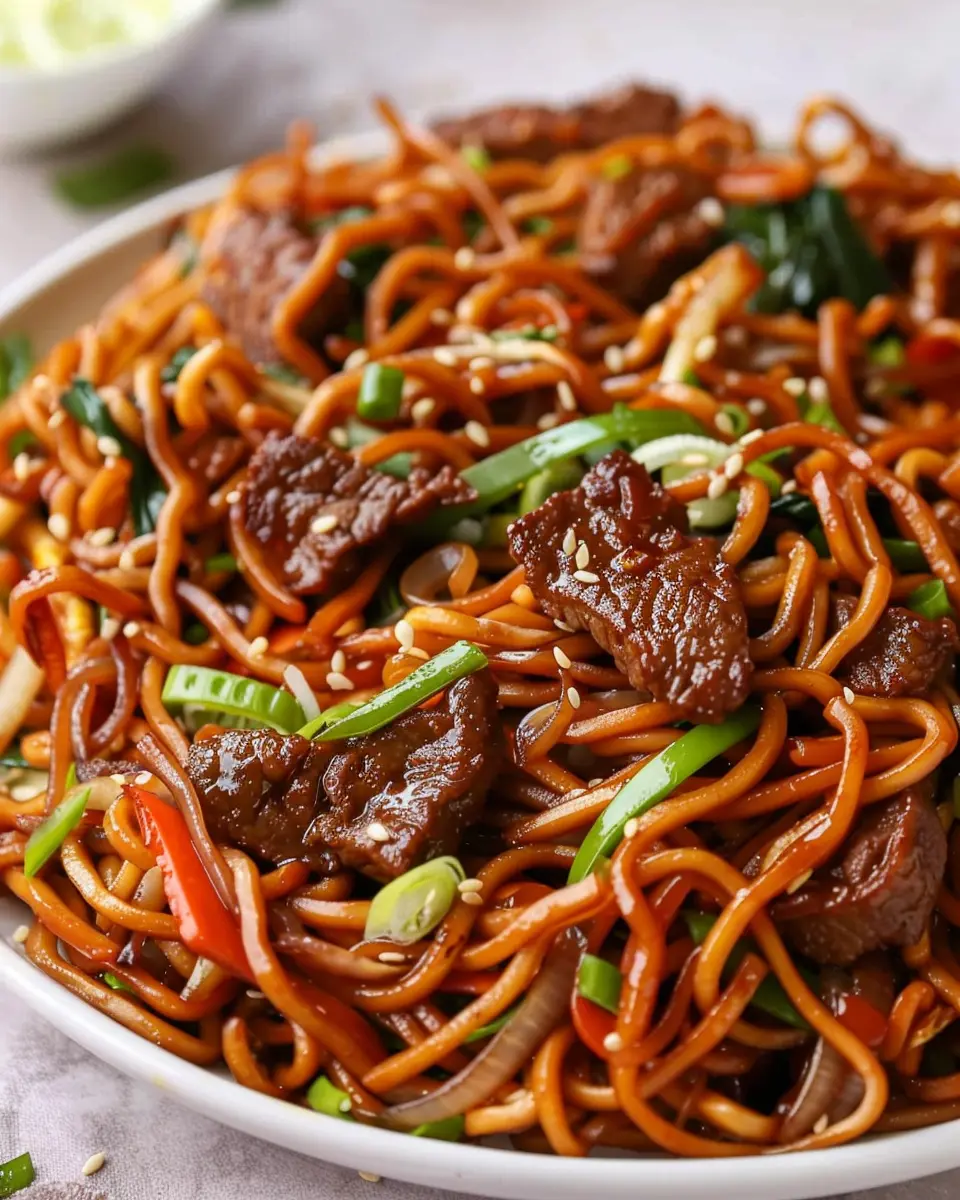
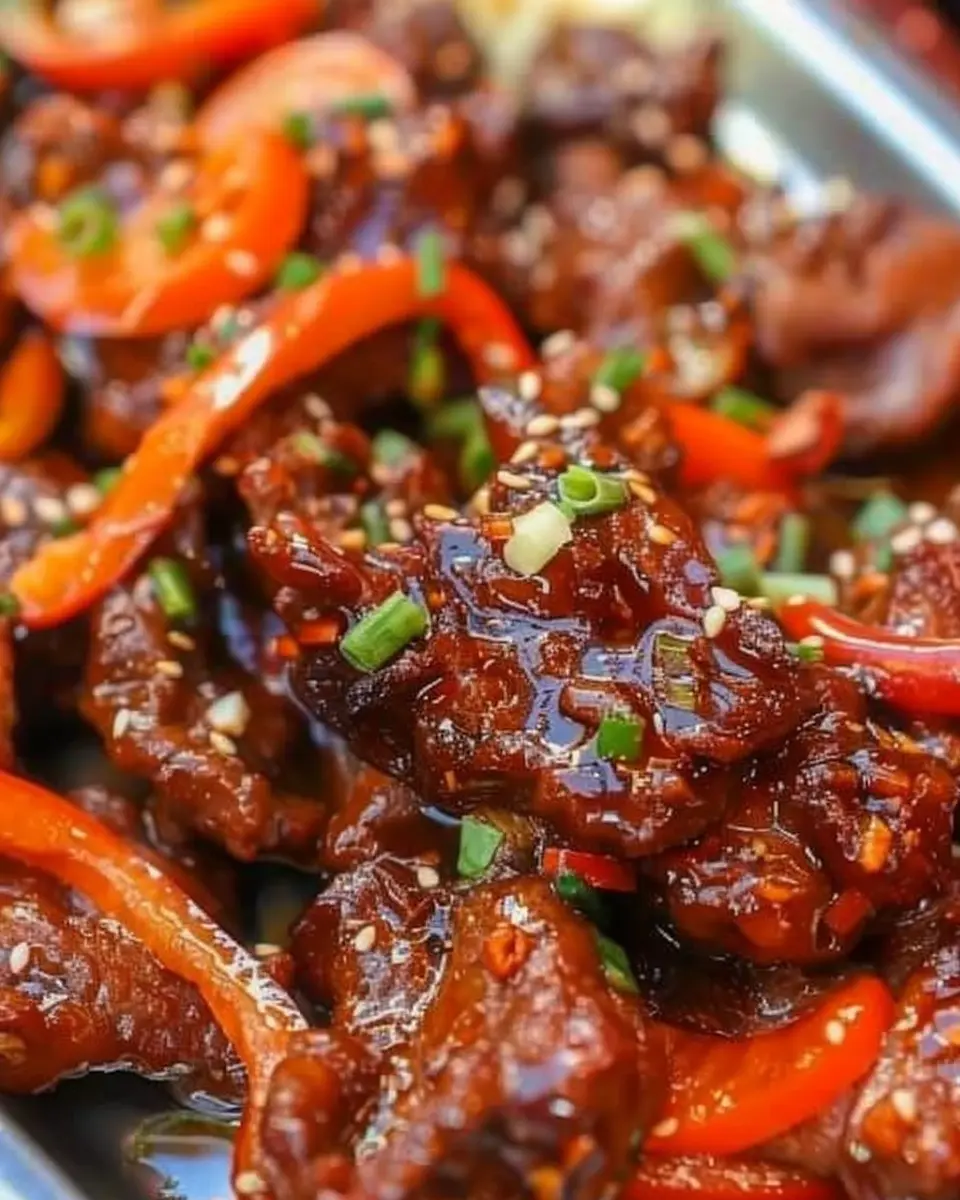
Introduction to Beijing Beef
Why make Beijing Beef at home?
If you’ve ever savored the sweet and tangy flavors of Beijing Beef at your favorite Chinese restaurant, you’re not alone. It’s a dish beloved by many, with its tender strips of beef mingling beautifully with colorful bell peppers and vibrant onions. But why settle for takeout when you can whip up this culinary delight right in your own kitchen? Making Beijing Beef at home not only saves you money, but it also allows you to customize ingredients according to your taste preferences. You can control the level of sweetness or spice, swap out the beef for alternatives like tofu, and incorporate fresher vegetables for an extra crunch.
Plus, there’s something incredibly satisfying about cooking a favorite dish yourself. The aroma wafting through your kitchen as you stir-fry is simply unbeatable.
The journey from Panda Express to your kitchen
Many of us first stumbled upon Beijing Beef at popular chains like Panda Express, where the dish quickly became a staple for its delicious combination of flavors. But have you ever wondered how you can replicate that experience at home? Fortunately, creating this dish from scratch is surprisingly straightforward and involves just a handful of ingredients.
Typically, you’ll need:
- Beef strips: Choose a cut that’s tender and flavorful, like flank or sirloin.
- Bell peppers: Any color will do, but a mix adds visual appeal.
- Onions: Yellow or red onions can enhance the dish with their sweetness.
- Sauce ingredients: Soy sauce, honey, and a splash of vinegar create the base of the sauce.
The beauty of cooking at home lies in the opportunity to learn and grow as a chef. Check out resources like Serious Eats for tips on choosing the best ingredients and mastering stir-frying techniques. You might find that after making Beijing Beef once, you’ll want to try your hand at other Asian-inspired dishes, expanding your culinary repertoire.
So, roll up those sleeves and let the cooking adventure begin! After all, there’s nothing like sharing a delicious homemade meal with friends—or enjoying it solo while binge-watching your favorite series.
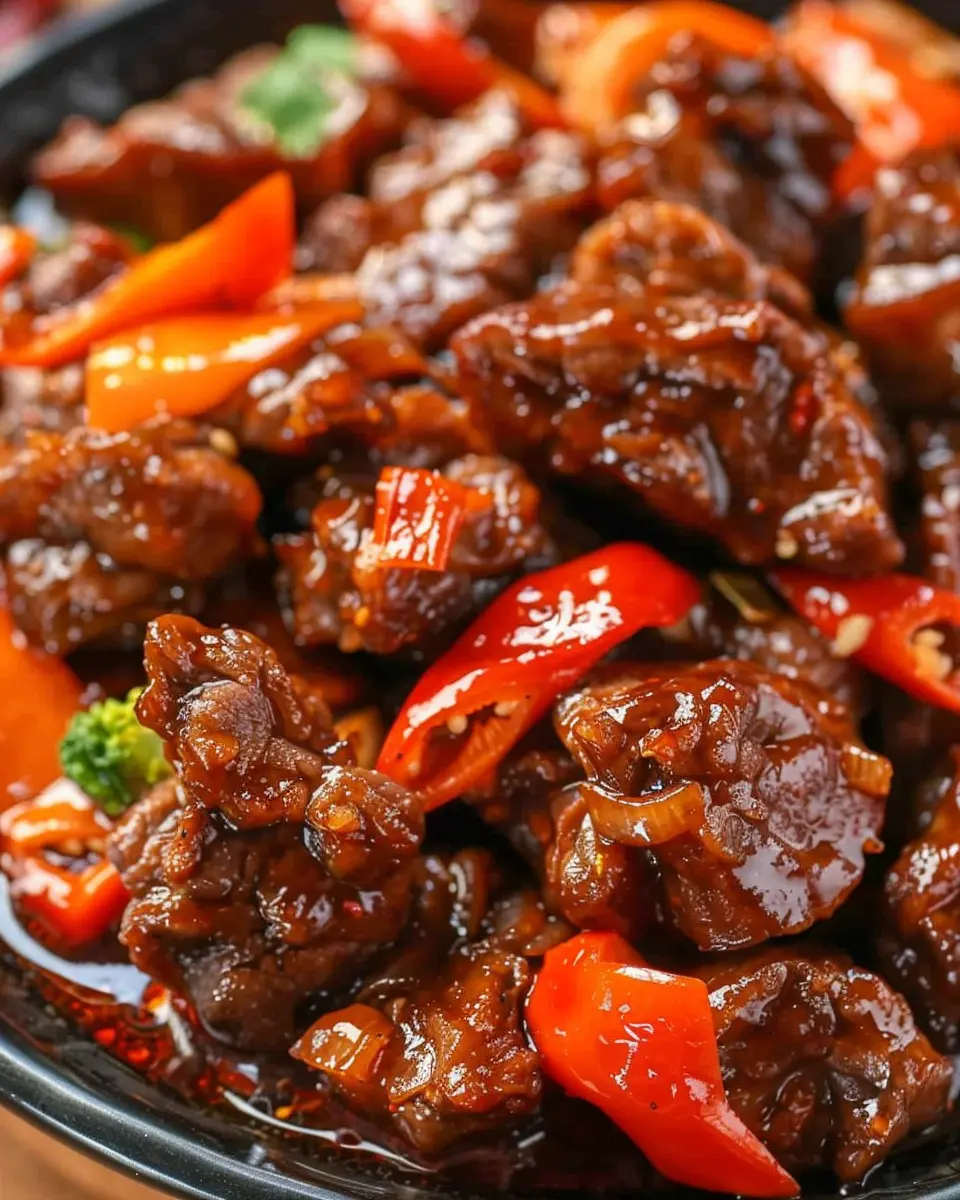
Ingredients for Beijing Beef
Creating a mouthwatering Beijing Beef dish starts with gathering the right ingredients. Here’s a breakdown to help you get started!
Main Ingredients for the Beef
- Beef: Tender cuts like flank steak or sirloin work best for stir-frying. Aim for about 1 pound.
- Turkey Bacon: For a smoky kick, this alternative adds savory depth. About 3 strips, chopped.
- Chicken Ham: A tasty addition for a hint of sweetness; slice it thinly, around 4 ounces.
Vegetables and Sauce Components
- Bell Peppers: Use a mix of colors for visual appeal—one red and one green, sliced.
- Onion: A medium-sized onion, sliced thinly, pairs beautifully.
- Garlic and Ginger: Freshly minced, these aromatics are essential for that signature flavor.
- Soy Sauce: Achieve that umami taste with about ¼ cup.
- Brown Sugar: A tablespoon will balance the savory notes.
Essential Kitchen Equipment
- Wok or Large Skillet: Perfect for high-heat stir-frying.
- Sharp Knife: For precise cutting of beef and veggies.
- Spatula: To keep everything moving in the pan.
Having the right ingredients and tools makes cooking your perfect Beijing Beef a breeze. Don’t hesitate to explore related techniques for stir-frying and flavor balancing to elevate your dish even more. Happy cooking!
Preparing Beijing Beef
Creating the perfect Beijing Beef at home is both an art and a joy. This delightful dish combines tender strips of beef with a sweet, tangy sauce, and vibrant vegetables, making it a splendid choice for dinner. Bear with me through the following steps, and you’ll be well on your way to impressing your friends and family.
Marinate the Beef
The first step in crafting Beijing Beef is to marinate the beef. This not only infuses flavor but also tenderizes the meat, ensuring every bite is juicy. Here’s how to do it:
- Select your beef: Aim for a tender cut such as flank steak or sirloin. Slice it thinly against the grain.
- Marinate: In a bowl, mix the beef with:
- 2 tablespoons of soy sauce
- 1 tablespoon of cornstarch
- 1 teaspoon of sesame oil
- Rest: Allow it to marinate for at least 30 minutes. If you have the time, letting it sit for an hour or two enhances the flavor even more.
Why bother marinating? According to Food Network, marination helps in breaking down tough fibers, creating a more succulent dish.
Create the Sauce
Next comes the sauce that will elevate your dish to restaurant-quality. The sweet and savory profile of the sauce is what makes Beijing Beef so memorable:
- Ingredients for the sauce:
- 1/4 cup of water
- 1/4 cup of hoisin sauce
- 2 tablespoons of soy sauce
- 2 tablespoons of sugar
- 1 teaspoon of red pepper flakes (for a kick)
- Mix it up: Whisk these ingredients together in a bowl until thoroughly combined. Taste it and adjust the sweetness or spiciness to match your preferences.
This sauce not only adds flavor but is also rich in umami, which is essential for a well-rounded dish.
Dredging the Beef
At this point, it’s time to turn that marinated beef into something sensational. Dredging provides a crispy exterior that complements the tender interior:
- Coat the beef: In a shallow dish, place some cornstarch. Take your marinated beef strips and coat them generously in the cornstarch. Shake off any excess.
- Why cornstarch? It helps achieve that crispy texture when frying, resulting in a satisfying crunch that contrasts beautifully with the tender beef.
Frying the Beef
The magic happens when we bring the beef to heat. Be prepared for an aromatic experience as your kitchen fills with delightful scents:
- Heat your oil: In a large skillet or wok, heat about 1/4 cup of vegetable oil. Make sure it’s hot but not smoking.
- Fry the beef: Working in batches, add the beef to the pan. Cook for about 3-4 minutes, turning occasionally, until golden brown and crispy.
- Drain: Once cooked, remove the beef and let it rest on a plate lined with paper towels to absorb any excess oil.
This step is vital for achieving that satisfying crunch, but be careful not to overcrowd the pan; frying in batches ensures even cooking.
Stir-Frying Vegetables and Combining
Finally, let’s pull everything together. The vegetables add color, nutrition, and freshness to your Beijing Beef:
- Sauté your veggies: In the same pan, add sliced bell peppers, onions, and carrots. Stir-fry for about 2-3 minutes.
- Combine: Return the crispy beef to the pan, pour in your sauce, and mix well until everything is coated and heated through.
This phase not only marries the flavors but also allows the sauce to cling to the beef and veggies beautifully.
And there you have it! Serve your Beijing Beef over a bed of fluffy jasmine rice or alongside steamed broccoli for a delicious meal. Enjoy your culinary adventure!
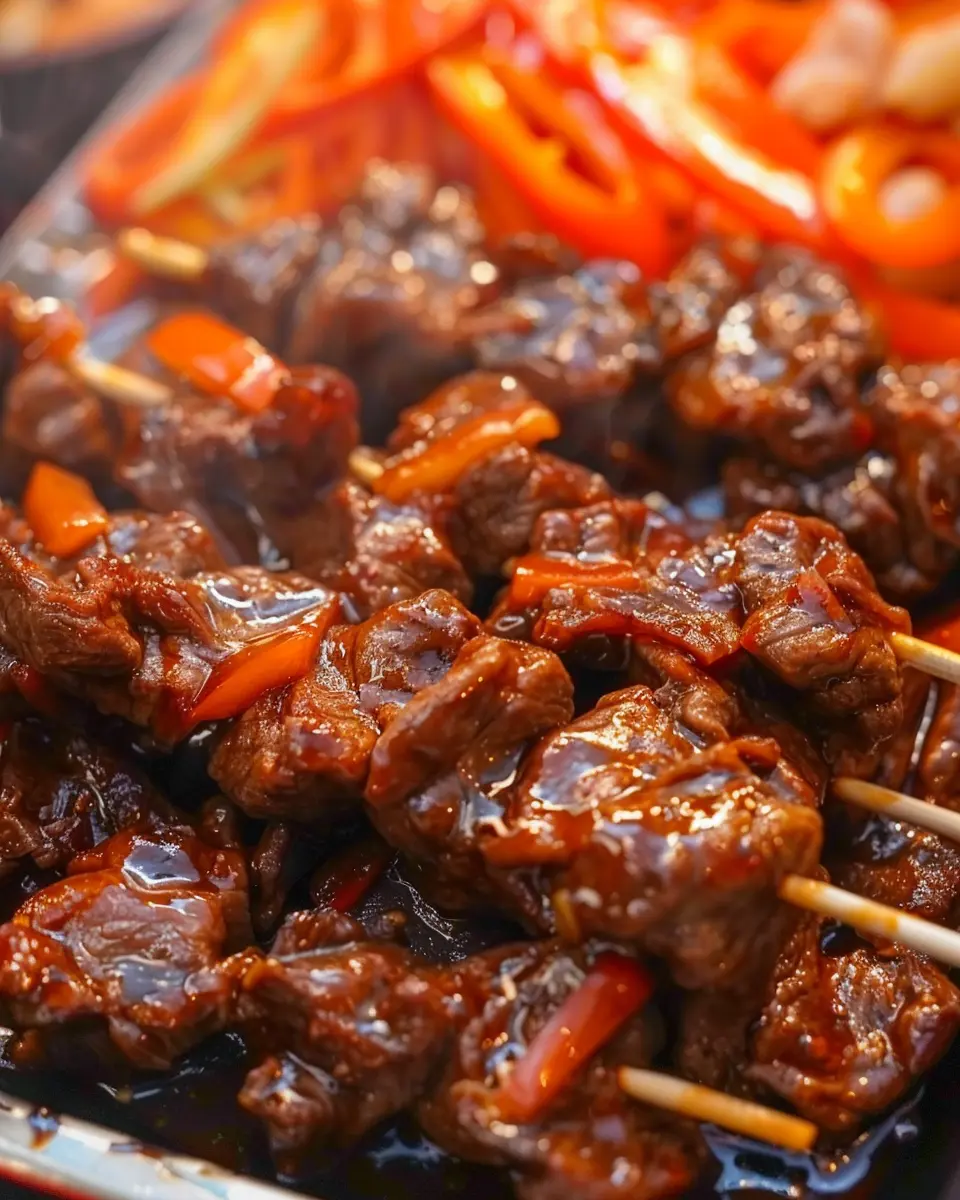
Variations on Beijing Beef
When it comes to preparing Beijing Beef, the beauty lies in its versatility. Whether you want to play with flavors, cater to dietary restrictions, or simply try a different cut of meat, there are countless ways to make this dish feel fresh and exciting.
Add some spice with different sauces
You can amp up your Beijing Beef by experimenting with different sauces. While traditional recipes use soy sauce and hoisin sauce, why not try:
- Chili garlic sauce for a spicy kick.
- Szechuan peppercorn oil to introduce a unique, zesty flavor.
- Teriyaki sauce for a sweeter twist.
By integrating these sauces, you can easily customize the heat and sweetness to suit your palate. These adjustments not only change the profile of the Beijing Beef but also make it an inviting options for those looking to shake up their weekly dinners.
Vegan options for Beijing Beef
Don’t feel left out if you’re vegan—there’s a plethora of plant-based alternatives. Instead of beef, consider using:
- Tofu or tempeh: Both provide a hearty texture that absorbs flavors wonderfully.
- Mushrooms: Varieties like portobello or shiitake can emulate the umami aspects of beef.
With the right marinades and stir-frying methods, you can create a vegan Beijing Beef that’s just as satisfying.
Different cuts of beef to experiment with
If you’re a beef aficionado, switch up your protein choice by trying different cuts.
- Flank steak is tender and packs flavor, perfect for quick stir-frying.
- Sirloin is lean yet flavorful – its great texture holds up well in sauces.
- Chuck eye steak offers a bit more marbling for those who enjoy a richer flavor.
Experimenting with various cuts can yield delightful surprises in your Beijing Beef dishes, so don’t hesitate to explore!
Looking for more information on sauce options or beef cuts? Check out The Spruce Eats or Serious Eats for fantastic resources.
Cooking Tips and Notes for Beijing Beef
Tips for Achieving Crispy Beef
To ensure your Beijing Beef is irresistibly crispy, start with thinly sliced beef, about ¼ inch thick. This makes it easier to cook evenly. Marinating the beef in a mixture that includes cornstarch does wonders, too—consider a dash of low-sodium soy sauce for extra flavor. When frying, make sure the oil is hot enough (around 350°F) before adding the beef. Fry in small batches to prevent steaming—you want that delightful crunch!
Key Points for Working with the Sauce
The sauce is the star of your Beijing Beef! For the best flavor, use freshly minced garlic and ginger. They’ll elevate the umami depth significantly. Once your beef is cooked to a crispy perfection, quickly toss it in the sauce on high heat—this allows it to coat the beef without overcooking. If you like a little spice, throw in some chili flakes for a kick.
Importance of Ingredient Prep
Prep is half the battle in the kitchen. Before you start cooking, chop all your vegetables and have your sauce ingredients ready. This ensures that you won’t be scrambling while your beef is frying! Organizing your workspace means you can focus on cooking efficiently—making the experience enjoyable and less stressful. Plus, fresh ingredients directly impact the flavor, so choose high-quality produce whenever possible. For further reading on proper ingredient prep, check out this culinary guide.
Remember, cooking is about enjoyment, so have fun with your Beijing Beef!
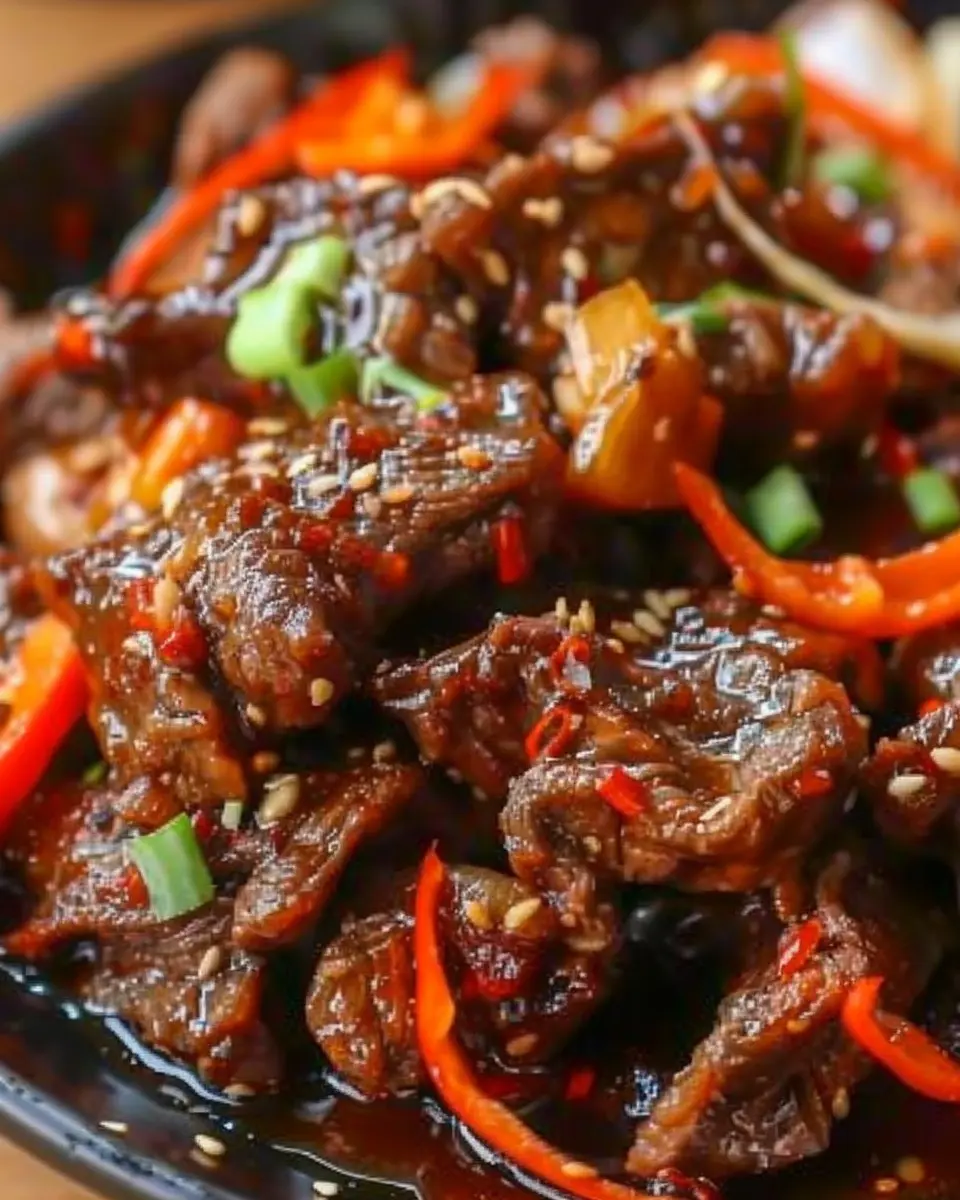
Serving suggestions for Beijing Beef
Pairing with rice or noodles
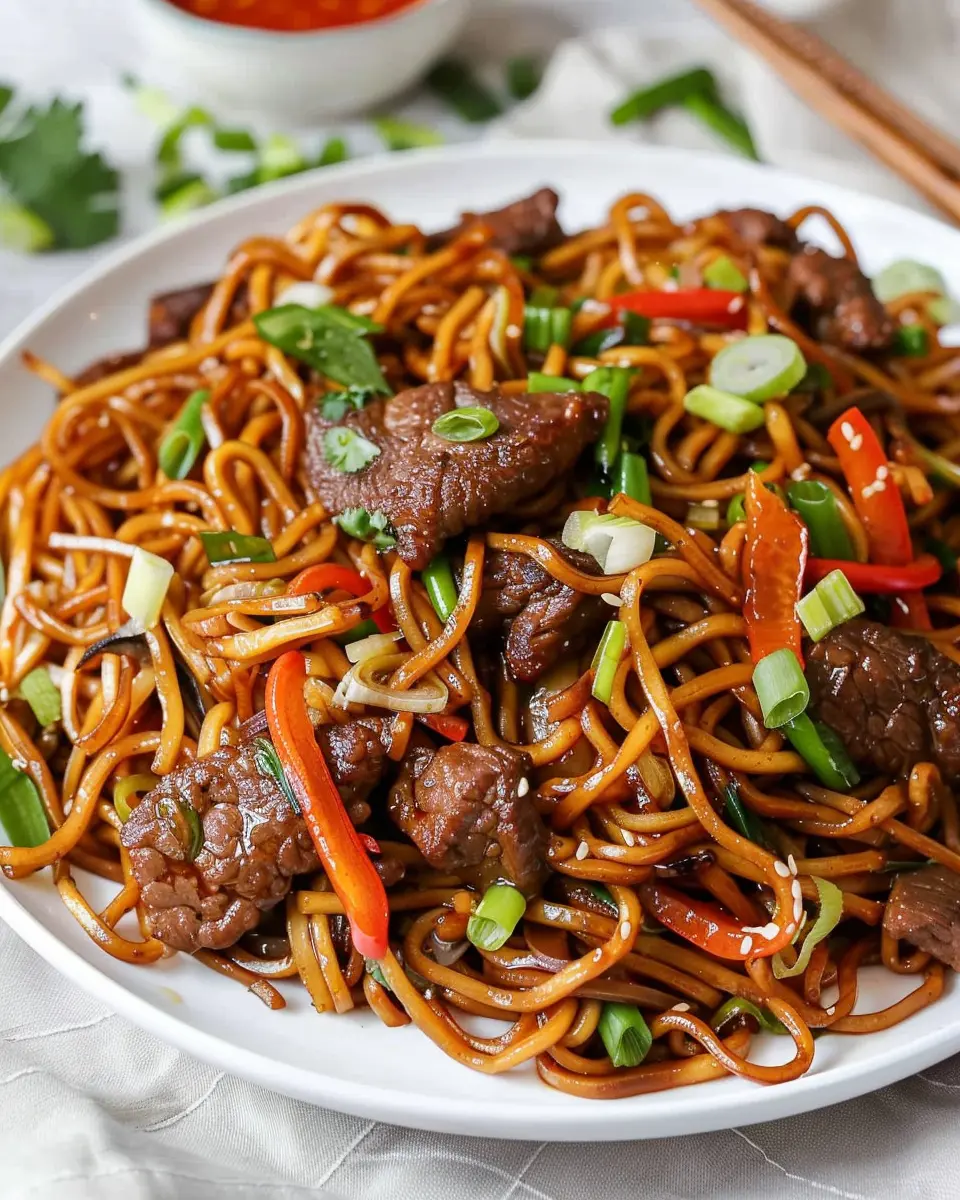
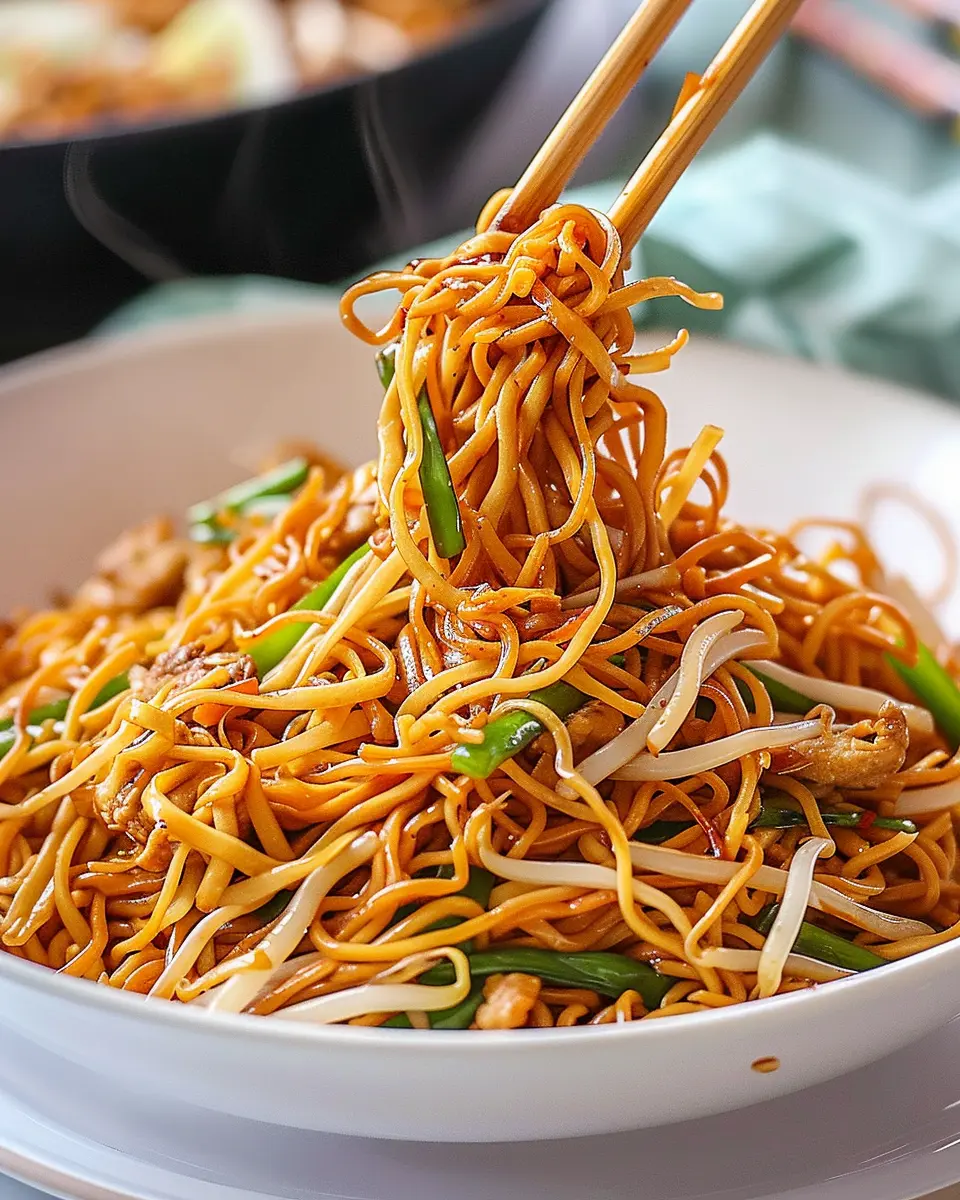
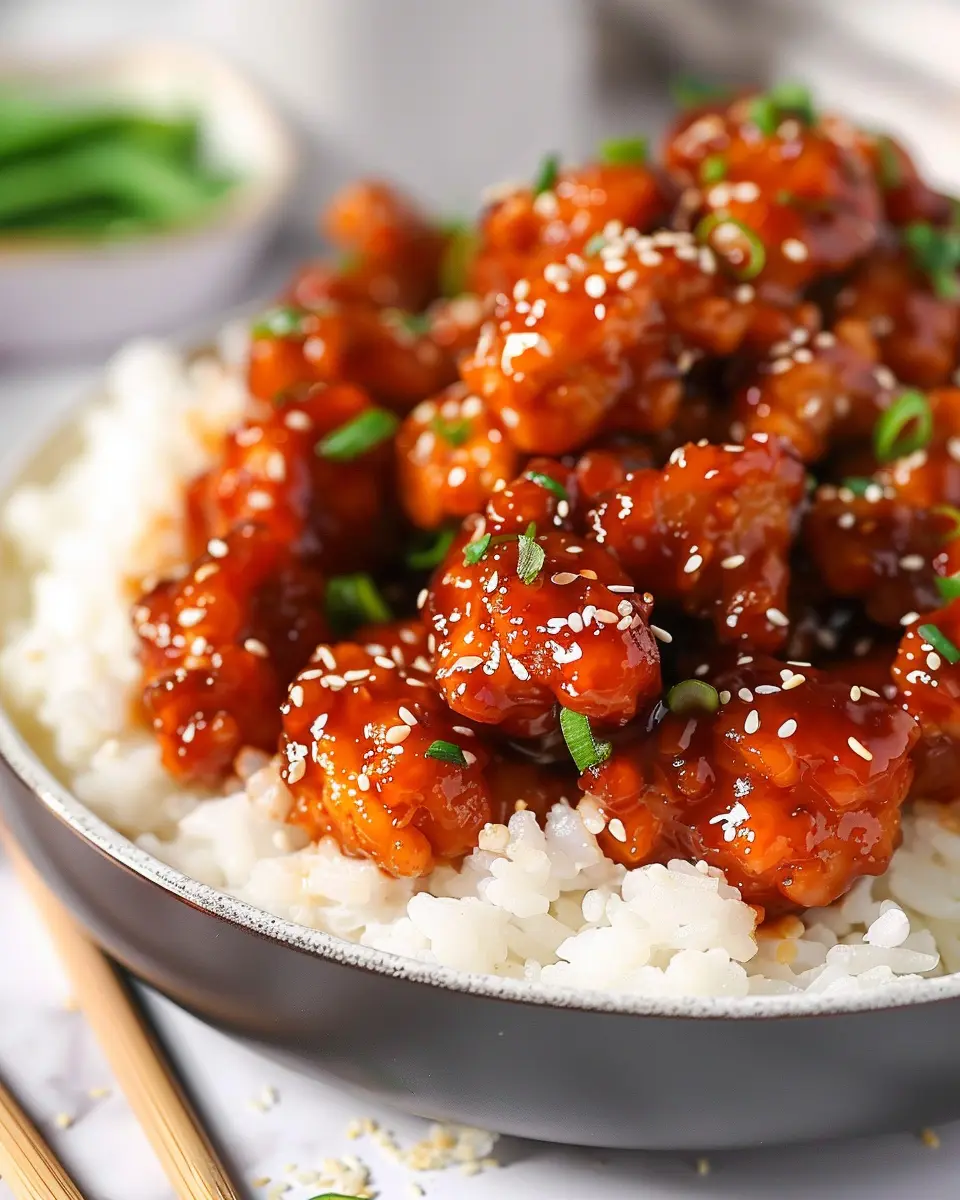
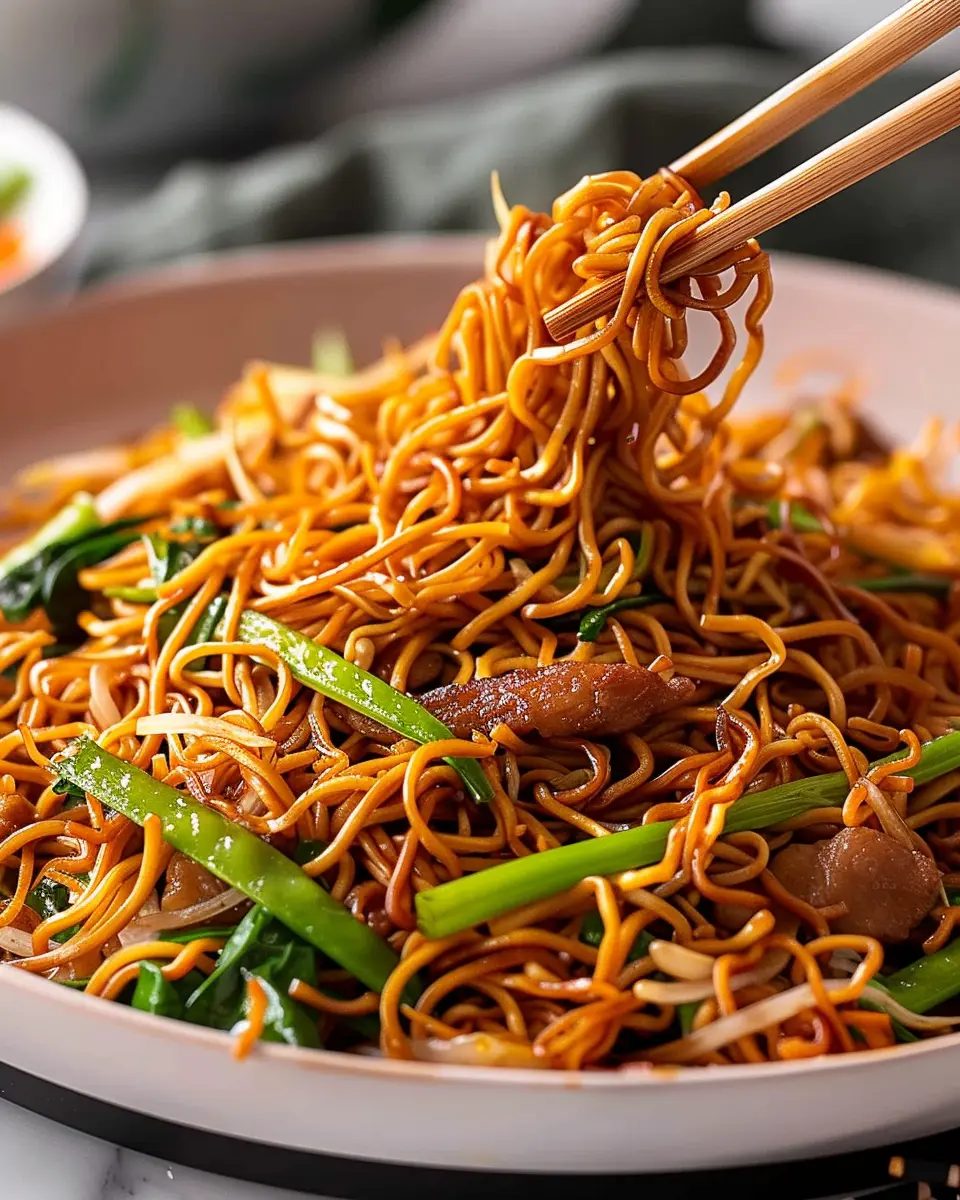
When it comes to enjoying Beijing Beef, the right base can elevate your dish considerably. Opt for fluffy white rice or stir-fried noodles, both of which perfectly complement the savory flavors and tender beef. For a personal touch, consider adding some sautéed vegetables to your rice or noodles for added texture and nutrition. Not only does this create a vibrant plate, but it also makes for a more balanced meal.
Serving with fresh herbs
Fresh herbs are a game-changer. Try garnishing your Beijing Beef with chopped cilantro or green onions. Not only do they provide a beautiful pop of color, but they also enhance the overall flavor profile of the dish. The brightness of the herbs contrasts wonderfully with the rich, savory sauce, making every bite more enjoyable.
Plating tips for a beautiful presentation
A well-plated dish can make all the difference! Serve your Beijing Beef in a shallow bowl or on a large plate for a restaurant-style presentation. Lay your rice or noodles as a base and arrange the beef on top. Drizzle some sauce around the edges for an artistic flair, and don’t forget those fresh herbs for that final touch. For a touch of elegance, consider white plates to let the vibrant colors of your dish shine.
By following these simple suggestions, you’ll impress your guests and turn any meal into a memorable occasion! For more tips on enhancing your dining experience, check out resources like Good Housekeeping or Bon Appétit.
Time Breakdown for Making Beijing Beef
Preparation Time
To kick off your culinary adventure with Beijing beef, you’ll need about 15 minutes for prep. This includes slicing the beef, chopping vegetables, and gathering your seasonings. While it might feel a bit rushed, think of it as a chance to channel your inner chef.
Cooking Time
Once you’re prepped, the actual cooking will take about 10 to 15 minutes. You’ll be stir-frying the beef and veggies in hot oil, which is super fast and keeps everything deliciously crisp. If you keep a close eye on everything, you’ll catch that perfect moment when your dish is sizzling at its best!
Total Time
From start to finish, you’re looking at a total of about 30 minutes. It’s a quick and satisfying meal that’s perfect for busy weeknights. Just imagine sitting down to enjoy your homemade Beijing beef after a long day—doesn’t that sound delightful?
For more tips and tricks on cooking with beef, check out resources like beefitswhatsfordinner.com or foodnetwork.com for inspiration and recipe ideas!
Nutritional facts for Beijing Beef
When you’re savoring a dish like Beijing Beef, it’s essential to know what you’re fueling your body with. In a typical serving, you can expect around 300-400 calories, which makes it a satisfying option without a guilt trip. The dish often features a balance of protein, carbohydrates, and fats, usually floating around 15-20 grams of protein, 30-40 grams of carbs, and about 10-15 grams of fat—perfect for powering you through the day.
Calories and macronutrients overview
Understanding the macronutrients in Beijing Beef can help you make informed decisions for a balanced meal. The proteins from the beef and any accompanying veggies contribute to muscle repair and energy, while carbohydrates serve as your quick fuel source.
Ingredient-specific nutrition highlights
- Beef: A great source of protein, iron, and Vitamin B12, crucial for energy metabolism.
- Bell Peppers and Onions: Loaded with vitamins A and C, these colorful veggies not only brighten your dish but also bring antioxidants to the table.
- Sugar and Sauces: Ensure you’re mindful of added sugars in sauces. Opt for alternatives like low-sodium soy sauce, which can provide flavor with fewer calories.
Nutritional awareness can enhance your culinary experience, so whether you’re creating this dish for a casual dinner with friends or meal prepping for the week, you’ll feel good knowing you’re making a tasty, nutritious choice. For more insights on healthy eating, check out sources like Healthline.
FAQs about Beijing Beef
How do I achieve the perfect sauce consistency?
Getting the sauce for your Beijing Beef just right can make a world of difference. You want it to be thick enough to coat the beef, but not so thick that it feels gloopy. A good rule of thumb is to start with a combination of soy sauce, ginger, garlic, and a bit of cornstarch mixed with cold water. When you add this cornstarch slurry to your sauce mix, heat it gently until it thickens. If it ends up too thick, simply whisk in a bit of water or broth. Remember, you can always adjust, so tasting and tweaking is key!
Can I store leftovers, and how should I reheat them?
Absolutely! If you find yourself with leftover Beijing Beef, you’re in for a treat. Store it in an airtight container in the fridge for up to three days. When you’re ready to enjoy it again, reheat it in a skillet over medium heat for the best texture. Stir it occasionally to prevent sticking. You could also microwave it, but keep in mind that it may get a bit softer.
What are some common mistakes to avoid?
When making Beijing Beef, there are a few pitfalls to watch out for:
- Skipping the marinade: It might seem like an extra step, but marinating the beef enhances flavor and tenderness.
- Overcrowding the pan: Cooking in batches ensures that the beef gets that wonderful sear instead of steaming.
- Ignoring the vegetables: A good mix of bell peppers, onions, and even broccoli adds not just color but also nutrition and crunch to your dish.
These adjustments can elevate your dish from good to great! And for more tips on cooking beef, check out resources like BeefCouncil.org.
Conclusion on Beijing Beef
Recap of the joys of homemade Beijing Beef
There’s something truly special about creating Beijing Beef right in your own kitchen. The fragrant blend of flavors, from sweet and tangy sauces to tender beef, makes for a delightful meal that’s sure to impress. The fresh vegetables elevate the dish, adding both color and nutrients. Plus, when you make it at home, you can adjust the ingredients to cater to your taste!
Encouragement to try the recipe at home
So why not take a leap and try this Beijing Beef recipe yourself? Not only is it straightforward, but it’s also a fantastic way to unwind after a busy day and savor a delectable meal. Gather your ingredients, channel your inner chef, and indulge in the satisfaction of creating something truly delicious. There’s magic in the home-cooked experience, and you just might discover your new favorite dish! For more inspiration and tips, check out sources like BBC Good Food and Serious Eats!
PrintBeijing Beef: An Easy and Indulgent Homemade Recipe
Discover the ultimate guide to creating a delicious homemade Beijing Beef dish that is both easy and indulgent.
- Prep Time: 15 minutes
- Cook Time: 10 minutes
- Total Time: 25 minutes
- Yield: 4 servings 1x
- Category: Main Course
- Method: Stir-frying
- Cuisine: Chinese
- Diet: Gluten-free
Ingredients
- 1 pound flank steak
- 1 cup bell peppers
- 1 cup onions
- 3 cloves garlic
- 3 tablespoons soy sauce
- 2 tablespoons cornstarch
- 3 tablespoons sugar
- 2 tablespoons vegetable oil
Instructions
- Slice the flank steak thinly against the grain.
- Marinate the steak with soy sauce and cornstarch.
- Stir-fry the garlic and onions in a hot pan.
- Add the marinated steak and cook until browned.
- Mix in the bell peppers and sugar; stir-fry until cooked through.
Notes
- For a spicier version, add chili flakes.
- Serve with steamed rice for a complete meal.
Nutrition
- Serving Size: 1 plate
- Calories: 350
- Sugar: 6 grams
- Sodium: 800 mg
- Fat: 15 grams
- Saturated Fat: 3 grams
- Unsaturated Fat: 10 grams
- Trans Fat: 0 grams
- Carbohydrates: 40 grams
- Fiber: 2 grams
- Protein: 25 grams
- Cholesterol: 70 mg
Keywords: Beijing Beef, homemade recipe, easy beef recipe